2026 Top Handbag Materials How to Choose the Right One

Time:2026-11-22 Author:Madeline
0%

Choosing a handbag material is not just a style decision. It affects weight, upkeep, feel, and how a bag looks after months of use. In 2026, shoppers can compare full-grain leather, coated canvas, nylon, microfiber, and plant-based alternatives. Each brings trade-offs. Leather may develop a patina, but it can mark easily and often needs careful maintenance. Coated canvas resists many everyday spills, though its finish may crack or peel over time. Nylon is light and practical, while some plant-based materials vary widely in durability.

No perfect choice exists.

Fashion designer Vivienne Westwood’s advice, “Buy less, choose well, make it last,” offers a useful test for any purchase. To understand how to choose the right handbag material, start with real routines: a laptop carried daily, a rainy walk to work, or a bag left beneath a café table. Then compare construction, lining, hardware, care instructions, and repair options—not just the surface material. Small details matter. A reinforced strap can outlast a fashionable finish.

This guide examines leading handbag materials, their strengths, limitations, and care needs. It also considers budget, climate, and intended use, while noting that quality varies between brands and products. A material label alone cannot promise longevity. That is easy to forget when a bag looks beautiful under store lighting. The choice may still involve compromise, and it is worth reflecting on which drawback you can live with.
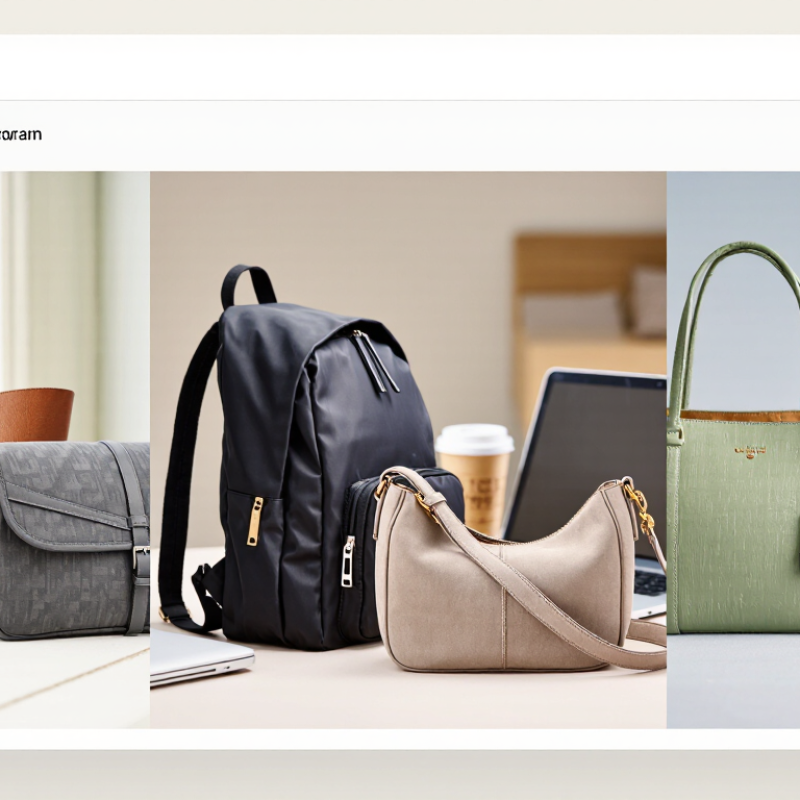
2026 Top Handbag Materials How to Choose the Right One

Common Handbag Materials and Their Key Characteristics

A handbag’s material shapes its weight, feel, upkeep, and how it ages. Leather often softens and develops a patina, but water spots and scratches may remain visible. Canvas feels sturdy and casual; coated canvas can wipe clean, though its finish may crack over time. Nylon is light and flexible, making it useful for everyday bags. Check the weave and seams: thin fabric can snag, even when the fiber itself is strong. Feel the difference.

Polyester and nylon are common synthetic fibers, but their performance depends on construction, lining, and hardware. Textile Exchange’s Materials Market Report 2024 estimated global fiber production at 124 million tonnes in 2023, with polyester representing 57 percent.

That figure shows polyester’s scale, not that it is automatically the best choice. A tightly woven shell may resist everyday scuffs, while a delicate finish can still mark easily. Labels can be frustratingly incomplete; ask about coatings, cleaning instructions, and repair options before buying. For a practical comparison, lift the bag, inspect its corners, and imagine wiping away a small spill. A beautiful material may demand more care than you expect.

How Leather, Canvas, Nylon, and Synthetic Fabrics Differ

Leather feels supple and gains character as it softens, but it usually needs more care than fabric. Rain can leave marks, and dry storage helps prevent stiffness. For daily use, check the finish and stitching, not just the surface. Some leather bags feel sturdy yet show scratches quickly.

Canvas is light, flexible, and often easy to carry on errands. Its woven texture can collect dust, while spills may leave stains unless the fabric has a protective treatment. Nylon is usually lighter still and often handles light rain well. That does not make every nylon bag waterproof; seams and zippers can still let water through. Feel the weight. Check the corners.

Synthetic fabrics vary widely, from coated textiles to soft, leather-like finishes. They can offer an affordable, easy-to-clean option, though heat and repeated folding may cause some coatings to peel or crack. I would inspect the bag in person if possible: bend a strap gently, open the zipper, and look at how the lining meets the seams. Online photos rarely show that detail. The “best” material depends on what you carry, how often you use the bag, and whether you will actually maintain it. I still find this choice less obvious than it sounds.

Matching Handbag Materials to Everyday Uses and Environments

A handbag that works for a dry commute may struggle on a rainy school run. Match the material to the conditions it will actually face. Smooth, finished leather usually wipes clean with a soft, slightly damp cloth, but standing water can mark it. For frequent outdoor use, a tightly woven synthetic fabric can be lighter and less fussy. Check the seams and zipper, too; fabric alone does not determine how well a bag handles daily wear.

For work, structured leather or coated canvas can help a bag keep its shape beside a desk or under a seat. If you carry groceries, a water bottle, or children’s supplies, look for reinforced handles and a lining that can be cleaned easily. Nylon often dries quickly after a light shower, while untreated canvas may absorb spills and take longer to dry. Small detail. A pale lining makes keys and earbuds easier to spot, though it can show stains sooner.

Warm, humid weather calls for materials that feel comfortable against clothing and do not stay damp for long. In cold, wet conditions, a water-resistant finish can be practical, but it is not a promise of full waterproofing. Care needs vary by finish, so follow the maker’s cleaning guidance and test products on a hidden area. Even then, results can vary. I would not choose a bag by appearance alone; a material that suits your routine may still need more care than expected.

2026 Top Handbag Materials: How to Choose the Right One — Matching Handbag Materials to Everyday Uses and Environments
Material Typical Strengths Everyday Uses Best-Suited Environments Care and Limitations
Full-Grain Leather Dense, durable hide that can develop a natural patina with use. Construction and finish affect its performance. Work totes, structured shoulder bags, and daily bags expected to be used for years. Regular commuting and moderate climates; a practical choice when a polished appearance is useful. Keep it away from prolonged moisture and direct heat. Wipe promptly if wet, let it air-dry, and use leather-care products suitable for its finish.
Split Leather or Suede Soft hand and a distinctive nap; often lighter or less costly than full-grain leather, depending on construction. Fashion bags, smaller shoulder bags, and occasional-use styles. Dry conditions and settings where the bag is less likely to rub against rough surfaces. The nap can mark or flatten, and suede is vulnerable to water and stains. Use a suede brush and an appropriate protector; follow the maker's care instructions.
Coated Canvas Woven fabric with a surface coating that can make routine dirt and light splashes easier to wipe away. Casual totes, travel bags, and everyday carryalls. Busy urban routines and changeable weather with occasional light splashes. Not necessarily waterproof: seams, untreated areas, and closures may let water through. Clean gently and avoid abrasive scrubbing that can damage the coating.
Cotton Canvas Flexible woven fabric that is relatively lightweight and can be easy to fold or store. Errands, books, groceries, and relaxed day-to-day carry. Dry conditions or light use in fair weather; suitable when a casual look is preferred. Can absorb water and develop stains. Washing may cause shrinkage, fading, or changes in shape, so check the care label and spot-clean when appropriate.
Nylon Lightweight synthetic textile with good abrasion resistance for its weight; performance varies by weave, coating, and construction. Commuter bags, backpacks, gym bags, and travel styles. Frequent travel and active routines; coated versions can help shed light rain. Water resistance depends on the fabric treatment and bag construction. Clean with mild soap and water when permitted, and keep away from high heat.
Polyester A versatile synthetic fiber that resists stretching and dries relatively quickly; durability depends on fabric weight and weave. Affordable daily totes, school bags, and lightweight travel bags. Routine errands and travel where low weight and easy maintenance are priorities. Uncoated polyester is not automatically waterproof. Follow the care label, avoid excessive heat, and note that some finishes can wear with repeated abrasion.
Microfiber Synthetic Leather A manufactured material designed to resemble leather, often with a consistent surface and relatively simple wipe-clean care. Structured work bags and styles chosen for a leather-like appearance without animal hide. Daily indoor use and ordinary commuting, away from prolonged heat or harsh weather. Quality and resistance to peeling vary by product. Clean gently; strong solvents, heat, or aggressive scrubbing may damage the surface.
Straw or Woven Plant Fiber Lightweight, breathable construction with a natural woven texture. Seasonal totes, beachside carry, and casual warm-weather outings. Dry, sunny conditions and light loads. Many woven fibers can weaken, distort, or stain when soaked. Keep dry, avoid overloading, and store in a cool, dry place.

Evaluating Durability, Weight, Cost, and Environmental Impact

Choosing handbag material starts with daily use, not appearance alone. A loaded tote carried through a rainy commute needs different strengths from an evening bag. Leather often resists abrasion and can be repaired, but it is heavier and usually costs more. Its environmental footprint depends on sourcing, tanning, and how long the bag stays in use. Canvas feels light and is easy to clean, though untreated fabric can absorb spills and fray at stress points. Nylon handles moisture well, but thin linings or weak stitching may fail first. Check seams, zipper attachments, and handle bases. Those details matter.

Compare cost per year, not just the price at checkout. A moderately priced bag used for years may offer better value than a cheap one replaced quickly. Recycled synthetics can reduce demand for virgin materials, but they remain plastic-based and may shed fibers. Plant-derived materials also vary; a label alone cannot prove durability or lower impact. Ask whether the surface cracks when folded and whether the lining can be repaired. Try lifting the empty bag, then add your usual items and walk a block. Notice shoulder pressure. Impact claims can be hard to compare because measurement methods differ. Choose a material that suits your routine and repair options, not an idealized promise.

How to Choose and Care for the Right Handbag Material

2026 Top Handbag Materials: How to Choose the Right One

Choosing a handbag material starts with your daily routine. Smooth leather can develop a patina, but rain and dark denim may leave marks. Canvas feels relaxed and is often easy to spot-clean, though pale fabric shows grime quickly. Nylon is lightweight and practical for wet commutes, but coatings and stitching still affect durability. Check seams, lining, hardware, and the care label—not just the surface.

Textile Exchange’s Materials Market Report 2024 estimates that global fiber production reached 124 million metric tons in 2023, with polyester making up 57%. That figure covers the wider textile industry, not handbags specifically, but it shows how common synthetic fibers are. Material alone does not guarantee a long-lasting bag. A sturdy handle attachment can matter more than a luxurious finish. One awkward detail: care instructions can be vague, so test cleaning methods cautiously.

Tips: Blot spills with a clean cloth; don’t rub. Test any cleaner on a hidden area first. Store bags dry, loosely filled with tissue, and away from direct sunlight. For leather, use a suitable conditioner sparingly. For coated fabrics, follow the maker’s instructions; harsh solvents may damage the finish. A little routine care helps, but no material is completely carefree.

FAQS

Which handbag material works best for everyday use?

It depends on your routine. Nylon feels light for wet commutes, while canvas suits casual errands. Check the seams and handle bases.

Is leather a durable choice?

Leather can resist abrasion and may be repairable. It can also feel heavy, cost more, and show rain or denim marks. Store it dry.

Does nylon keep a bag completely dry?

No. Nylon often handles light rain, but water can pass through seams or zippers. Check those areas.

What should I know about canvas?

Canvas is light and flexible, but spills may stain untreated fabric. Pale colors show grime quickly. Check stress points for fraying.

Are synthetic fabrics easy to care for?

Often, yes. Some wipe clean easily, but coatings may peel or crack with heat and repeated folding. Not every finish behaves alike.

How can I check a bag’s construction in person?

Open the zipper and inspect the lining, seams, and handle attachments. Bend a strap gently. Look closely.

How should I compare a bag’s cost and value?

Consider how long you expect to use it, not only its checkout price. Try carrying your usual items for a short walk. Notice shoulder pressure.

What basic care helps a handbag last?

Blot spills with a clean cloth; do not rub. Test cleaners on a hidden spot. Store the bag dry, loosely filled, and away from direct sunlight.

Conclusion

Choosing a handbag starts with understanding how different materials perform. Leather is valued for its structure and long-term wear, while canvas is often practical and breathable. Nylon and other synthetic fabrics tend to be lightweight and easy to clean, making them useful for busy routines or changeable weather. Each option differs in durability, weight, price, appearance, and environmental impact, so the best choice depends on how and where the bag will be used.

To decide how to choose the right handbag material, consider your daily needs, the items you carry, and the conditions the bag will face. A sturdy material may suit frequent use, while a lighter, low-maintenance option can be more comfortable for commuting or travel. Check care requirements before buying, and follow simple maintenance practices such as cleaning spills promptly and storing the bag in a dry place. Balancing function, cost, comfort, and care can help you choose a material that fits your lifestyle.

Madeline

Madeline

Madeline is a dedicated marketing professional with a wealth of expertise in our company's core offerings. With a keen understanding of the industry, she brings a unique perspective to her role, consistently delivering high-quality content that highlights the superior aspects of our products. As......