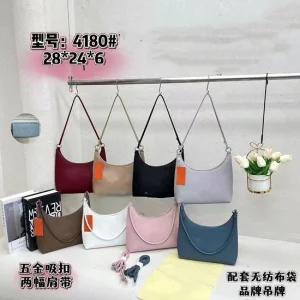
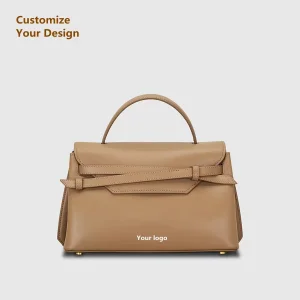
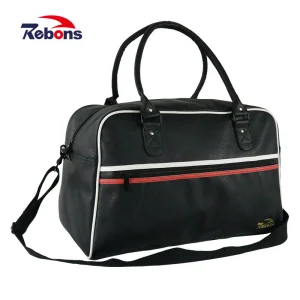
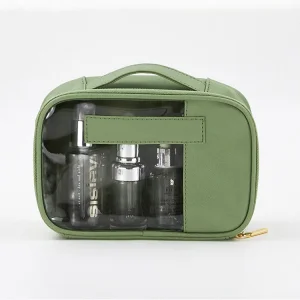
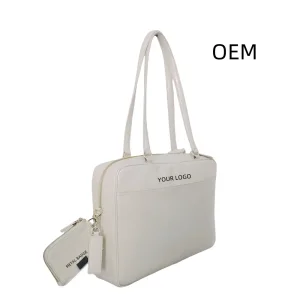
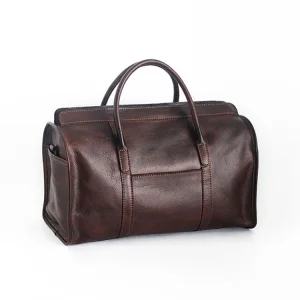
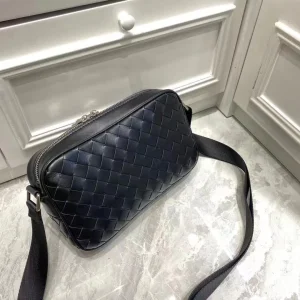
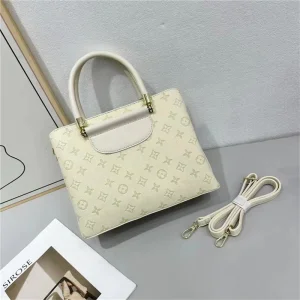
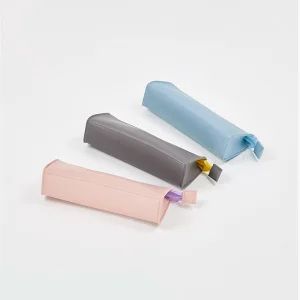
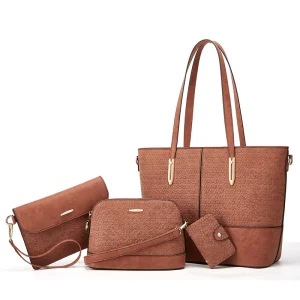
Explore our latest high-durability, cruelty-free vegan leather designs engineered for premium markets.
High-velocity market movements indicate a permanent structural shift toward sustainable, ethical, and high-performance leather alternatives.
The global market for vegan leather bags is no longer a niche, eco-conscious segment. Fueled by stringent ESG regulations in the European Union and North America, alongside shifting consumer consciousness, global enterprises are actively replacing animal-derived leathers with high-performance, circular synthetics. From luxury handbags to utility travel duffles, premium vegan leather provides comparable tensile strength, customized textures, and significantly reduced carbon footprints.
As industry-leading partners, factories must deliver more than just high production volume. The current landscape demands deep design capabilities (ODM), reliable manufacturing (OEM), total chemical traceability (REACH and CA Prop 65 compliance), and carbon footprint declarations. The transition toward circularity means integrating recycled PET (RPET), agricultural crop wastes (apple, cactus, pineapple skins), and bio-based polyurethanes (PU) to future-proof fashion supply chains.
Professional Handbag Manufacturer specializing in private labels, OEM/ODM, and custom accessories solutions.
Fren Fashion focuses on the design, development, and production of high-quality handbags and fashion accessories that combine functionality, style, and market-driven trends. Our teams continuously monitor international consumer preferences to support clients with innovative concept mockups.
We work closely with customers to transform concepts into market-ready collections that align with brand positioning. Our structured manufacturing process spans material sourcing, physical sample development, mass production, and strict quality control inspections.
Serving brands across North America, Europe, Asia, the Middle East, and South America, Fren Fashion is committed to building long-term partnerships through dependable manufacturing, efficient project management, and responsive customer support.
Enterprise procurement teams for vegan bags face a matrix of challenges. The search for a reliable vegan leather bags manufacturer requires rigorous evaluation of capacity, compliance, and material science. To balance margins and market relevance, modern procurement strategies focus on several essential indicators:
Luxury designer labels require ultra-low defect rates, meticulous hand-edge painting, custom metal hardware with heavy electroplating, and proprietary material blends. In contrast, fast-fashion conglomerates require short lead times (14 to 28 days from design freeze to shipment) and highly competitive FOB pricing. Factories like Fren Fashion bridge this gap by running dedicated premium and high-volume assembly lines, utilizing automated CAD cutting machinery, and optimizing material utilization to control costs.
A comparative overview of vegan leather substrates, processing technologies, and environmental impact performance.
| Material Category | Composition Breakdown | Durability & Tactile Feel | Environmental Profile | Optimal Use Case |
|---|---|---|---|---|
| Next-Gen Plant Leather | Apple peel fibers + bio-based PU binders | Exceptional handfeel, medium-high scratch resistance | Highly circular, low carbon footprint, biodegradable fractions | Luxury fashion purses, premium crossbody bags |
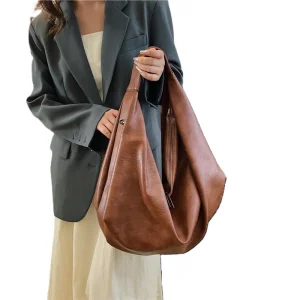
| Solvent-Free Water-Based PU | Waterborne polyurethane emulsion | Excellent tensile strength, high softness, crack-resistant | Zero DMF/toxic solvent emission, safe for workplace | Large travel totes, oversized hobo bags |
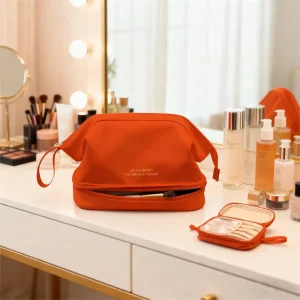
| Recycled PET (RPET) Synthetics | Post-consumer recycled plastic bottles + PU coating | Heavy-duty, waterproof, highly versatile texturing | Keeps plastic waste out of oceans, GRS certifiable | Cosmetic cases, toiletry pouches, linings |
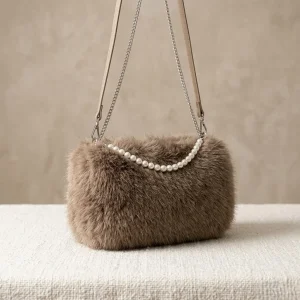
| Faux Rabbit Fur & Plant Blends | Polyester microfibers + organic linen backing | Ultra-soft luxury touch, high aesthetic contrast | Animal-friendly, biodegradable backing fibers | Winter fashion collections, statement tote bags |
Historically, synthetic leathers faced criticism for utilizing heavy solvents like Dimethylformamide (DMF) and toxic phthalate plasticizers. Today, advanced vegan bag factories are transitioning to waterborne polyurethanes. This technology uses water as the dispersing medium, eliminating toxic emissions during cross-linking, providing a safer working environment, and ensuring that finished products are completely odorless and hypoallergenic.
Furthermore, bio-based polyurethanes (derived from industrial corn starch or castor oil) are replacing petroleum-based raw materials. These bio-PU compounds achieve up to 70% bio-content while retaining the mechanical characteristics—such as flex resistance, color fastness to light, and hydrolysis resistance—expected of luxury accessories.
Producing a high-quality vegan bag requires an integrated workflow that combines artisanal craftsmanship with modern industrial control. The manufacturing flow at a high-performing factory like Fren Fashion is structured as follows:
Converting brand concepts into digital CAD patterns. Designers calculate weight distribution, seam stress points, and leather yield to minimize waste before physical cutting begins.
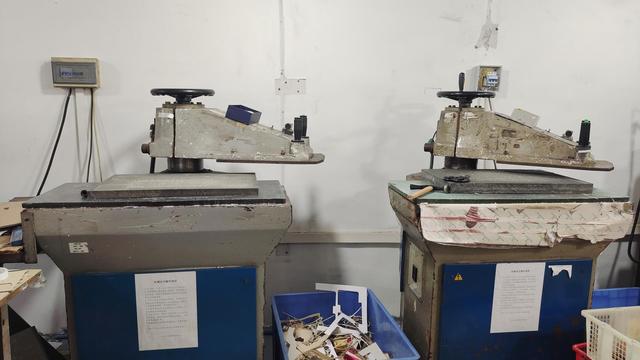
Using computerized laser or die-cutting tables to ensure sub-millimeter precision. Skiving machines shave down edge thickness so joints are flat and seamless.
Skilled workers perform sewing, reinforcement placement, and multiple passes of edge painting and sanding to produce clean, luxury-grade profiles.
To assure global retailers of structural integrity, every production run is subject to rigorous physical testing. These evaluations simulate years of heavy usage to prevent failures after the product reaches consumers:
Navigating international import regulations is critical for global brands. A mistake in chemical composition or labeling can lead to customs delays or product recalls. Leading manufacturers provide end-to-end compliance verification across major consumer markets:
CA Proposition 65: Rigorous laboratory testing ensures all vegan leathers, linings, and hardwares are free from harmful heavy metals, phthalates, and lead.
US Customs & FTC Regulations: Accurate country-of-origin labeling and composition declarations (e.g., "Man-made leather" or "Synthetic materials") prevent import violations.
REACH & POPs Compliance: Verification that chemicals used in dyes, coatings, and adhesives do not contain Substances of Very High Concern (SVHC).
EU Deforestation Regulation (EUDR) Ready: Because vegan leather is not derived from livestock, it helps brands bypass complex EUDR cattle-ranching tracking, simplifying market access.
Additionally, modern supply chain management requires seamless logistics. Factories collaborate with top freight forwarders to offer flexible shipping terms (FOB Shenzhen, CIF, DDP) and support consolidated shipping for smaller buyers, ensuring products arrive safely at regional distribution hubs.
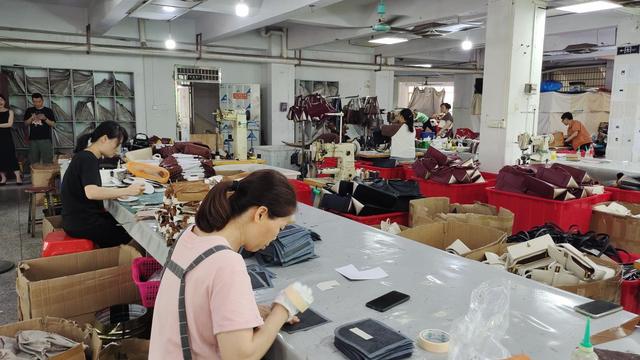
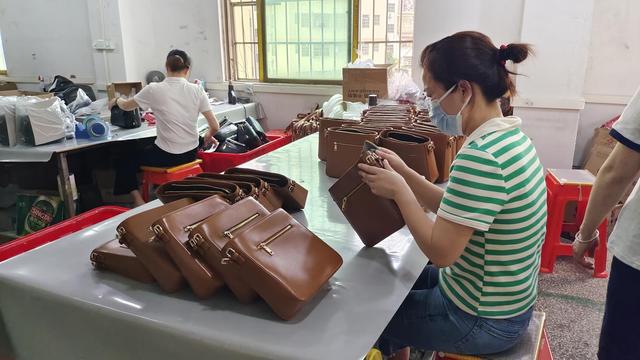
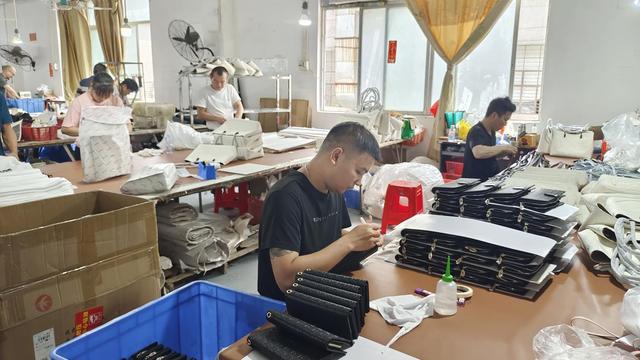
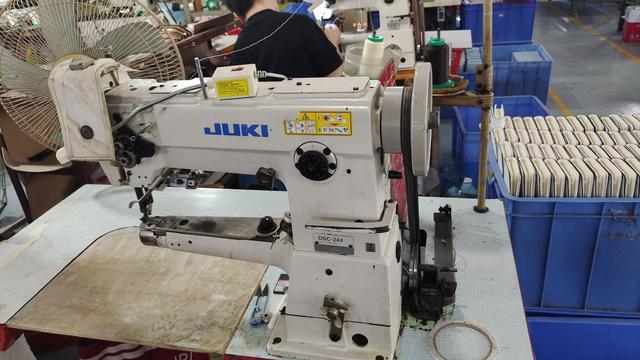
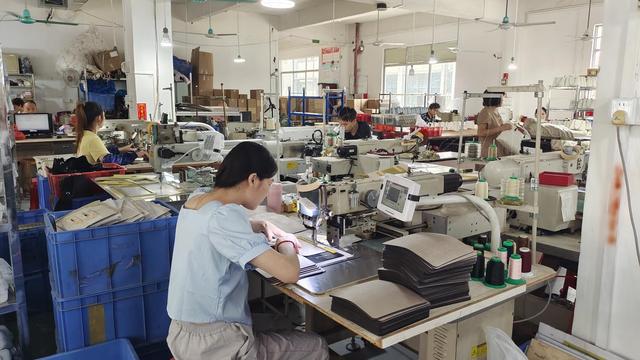
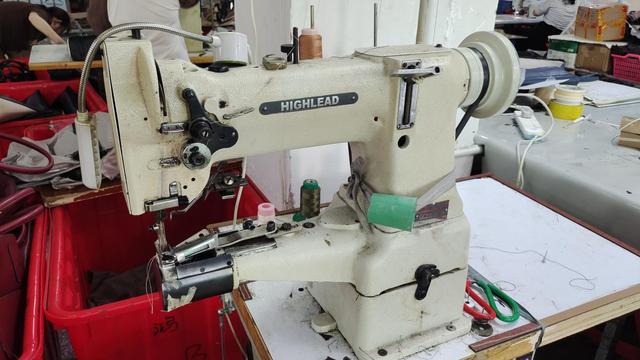
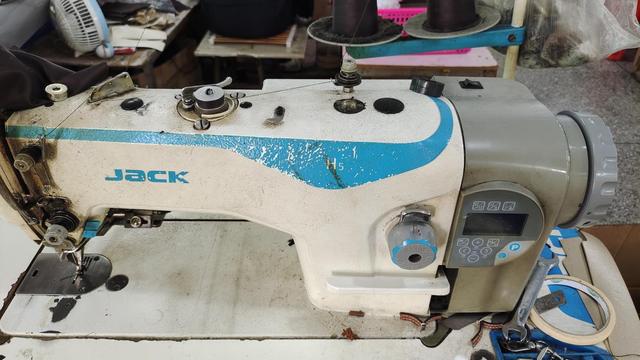
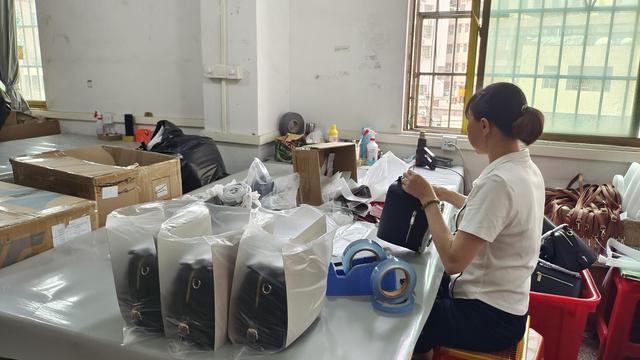
A transparent look inside the advanced manufacturing facilities, processing equipment, and warehousing divisions of Dongguan Fren Fashion Co., Ltd.
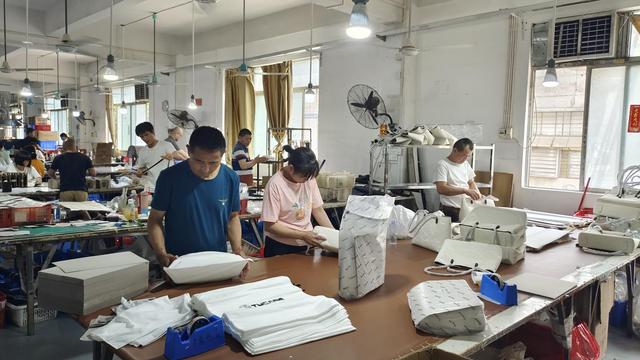
Future-proofing fashion production with next-generation materials and traceability technology.
As we head toward 2030, the fashion industry is transitioning from linear supply chains to circular business models. Factories are investing heavily in technologies that will define the future of vegan accessory manufacturing:
Developing polyurethane films that decompose in active landfills within 3-5 years, eliminating the concern of long-term synthetic waste accumulation.
Integrating secure NFC chips and QR codes into bag linings. Consumers scan them to view the complete material supply chain and recycling instructions.
Developing systems to take back worn vegan bags from consumers, separate hardware components, and re-extrude the synthetics into new materials.
Expert answers to common technical, commercial, and compliance questions from sourcing directors.
PU (polyurethane) is a synthetic polymer that offers high durability, water resistance, and consistent surface textures at an accessible price point. Bio-based leathers incorporate agricultural crop wastes (such as apple, cactus, or grape pomace) with polyurethane binders. This reduces the proportion of petrochemical raw materials and significantly lowers the overall carbon footprint while maintaining similar performance and handfeel.
Our standard MOQ varies depending on the specific material and design complexity. Generally, for standard colors of vegan PU leather, the MOQ is 300 to 500 pieces per style/color. For specialized bio-based materials or custom-dyed colors, the MOQ may be higher due to the raw material production runs. We also offer lower MOQs for initial test collections to support emerging premium brands.
We conduct regular testing via accredited third-party laboratories (such as SGS, Intertek, or TÜV SÜD) to ensure all raw materials comply with REACH (EU) and California Proposition 65 (US) standards. We verify that all materials are free from harmful plasticizers, heavy metals, formaldehyde, and azo dyes. Certification documents can be provided prior to bulk shipment.
Yes, we provide full OEM and ODM customization. Logos can be debossed, embossed, hot-stamped, or silk-screened onto the bags. We can also produce custom metal hardware (such as pullers, clasps, buckles, and plates) with laser-engraved or molded brand logos in various finishes, ensuring they pass salt-spray corrosion tests.
Physical sample development typically takes 7 to 10 working days after CAD drawings are finalized and materials are sourced. Once samples are approved and deposit payments are confirmed, mass production lead times range from 30 to 45 days, depending on the order volume and material availability.
We implement a structured, multi-stage QC system. This includes Incoming Quality Control (IQC) to inspect raw materials, In-Process Quality Control (IPQC) to check sewing and assembly line work, and Final Quality Control (FQC) to perform functional, visual, and packing inspections. We also welcome client-appointed third-party inspectors before shipment.
Yes, we offer a range of eco-friendly linings, including Global Recycled Standard (GRS) certified Recycled Polyester (RPET), organic cotton, linen, and hemp blends. This allows brands to design a fully sustainable product from the inside out.
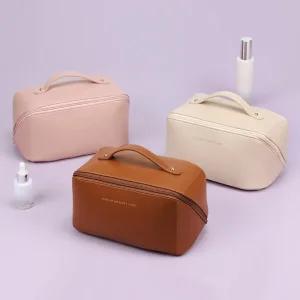
Durable, waterproof, and travel-ready vegan pouches and utility cases designed for modern lifestyles.
 Fren Fashion