How to Ensure Consistent Quality in Handbag Production?

Time:2026-08-14 Author:Charlotte
0%

Ensuring consistent quality in handbag production is a complex challenge. Many brands struggle with maintaining high standards throughout their manufacturing processes. This inconsistency can lead to customer dissatisfaction and damage brand reputation. Understanding how to ensure consistent quality in handbag production is essential for success.

Designers and production teams must closely collaborate. Miscommunication can result in errors and defects. Each material used plays a vital role in the final product. Sourcing high-quality materials is critical but often overlooked. Workers’ skills and training also significantly affect the outcome.

Moreover, implementing quality control measures at every stage can be daunting. Regular inspections and feedback loops are necessary to identify flaws early. However, some companies fail to act on the insights revealed during these checks. This oversight often leads to repeated mistakes, affecting overall quality. Improving these processes requires ongoing evaluation and commitment to excellence.
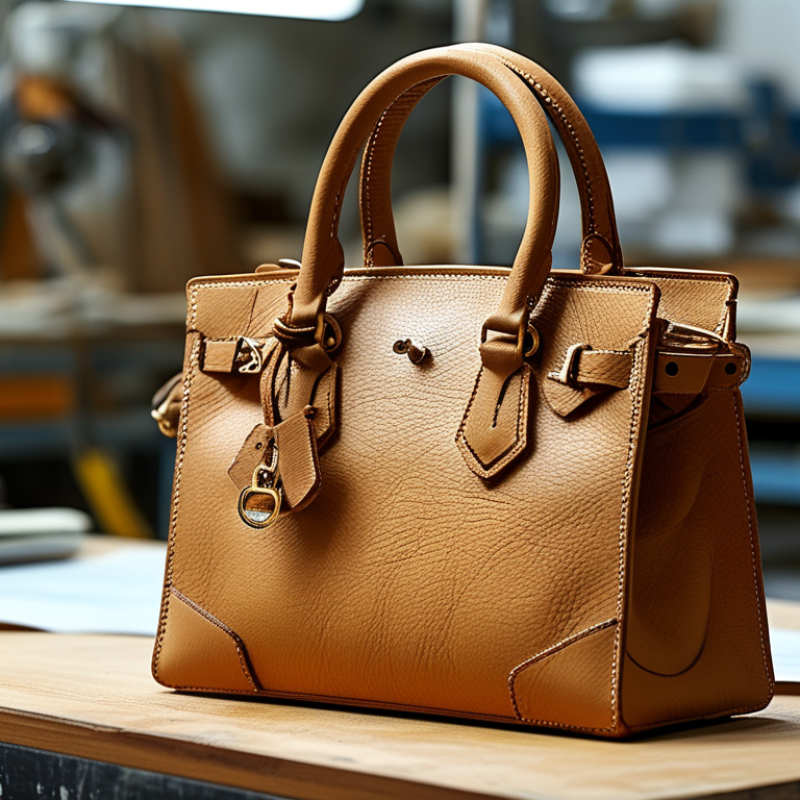
How to Ensure Consistent Quality in Handbag Production?

Identifying Quality Standards for Handbag Production

In the competitive handbag industry, setting quality standards is essential. Quality standards serve as a benchmark for production, ensuring each bag meets customer expectations. According to market reports, 70% of customers value quality over price. An effective quality assurance process can significantly enhance customer satisfaction and loyalty.

To identify quality standards, start by assessing materials. Leather, for example, should have a consistent grain and texture. Using genuine leather can elevate a bag's perceived quality. Additionally, hardware such as zippers and studs must be durable and functional. Reports indicate that 30% of returns are due to hardware failures.

**Tips:** Regular inspections can catch defects early. Also, implement quality control checkpoints during production. Train staff on quality standards to minimize flaws. Keep in mind that quality assurance is an ongoing process. Even established brands face challenges in maintaining consistent quality. Customer feedback should drive continuous improvement in production standards.

Quality Standards in Handbag Production

Developing a Comprehensive Quality Control Checklist

Quality control in handbag production is vital. Manufacturers must implement a comprehensive checklist to maintain high standards. Industry data shows that over 30% of consumers return products due to quality issues. This statistic stresses the urgency of stringent quality practices.

A thorough checklist should cover materials, stitching, and craftsmanship. For instance, inspecting leather for imperfections can prevent costly defects. According to reports, defects in stitching can reduce a handbag's lifespan by up to 40%. Regular training for workers ensures they recognize these flaws.

However, consistency remains a challenge. Variability in labor skill levels can lead to discrepancies in output quality. It's crucial for companies to monitor worker performance continually. Documenting errors and corrective actions helps identify trends. Emphasizing quality over quantity can significantly enhance brand reputation over time. Engaging with suppliers to ensure material quality ultimately supports the entire production process.

Implementing Quality Assurance Throughout the Production Process

Implementing quality assurance in handbag production is crucial for maintaining consistency. Each step in the manufacturing process should be carefully monitored. This starts from selecting high-quality materials. The materials must undergo rigorous testing. Inspecting for durability and colorfastness ensures longevity and aesthetic appeal.

Throughout production, regular checks on craftsmanship are essential. It's not just about stitching. Attention to details like hardware and linings matters immensely. Mistakes can happen. A missed stitch or a flawed zipper can compromise the entire bag. Training staff on quality standards can mitigate such risks.

Post-production inspections play a critical role. Bags should be evaluated before they reach consumers. This stage often reveals unwanted imperfections. Feedback from customers can highlight recurring issues. Engaging in dialogue with them fosters improvement. The process might be imperfect, but striving for excellence is key. Continuous refinement in quality assurance will enhance the overall production experience.

Training Employees on Quality Standards and Techniques

Ensuring consistent quality in handbag production begins with training employees on the right quality standards and techniques. Employees are the backbone of any production process. When they have clear guidelines, the outcome improves. Invest time in training programs that outline standards. This builds a strong foundation for quality assurance.

Tips: Create detailed manuals for employees. Reference specific techniques in handbag making. Regular workshops can also help reinforce these standards.

Monitoring is crucial. After training, evaluate employees' adherence to quality techniques. Offer constructive feedback to identify areas for improvement. Recognize that some team members may struggle initially. Continuous support is key to their development.

Encouraging a culture of quality awareness can greatly enhance production. Share success stories and best practices among the team. This not only motivates but also fosters a collective responsibility towards achieving quality. Remember, quality is a process, not a one-time effort.

Establishing a Feedback Loop for Continuous Improvement

Establishing a robust feedback loop is crucial for continuous improvement in handbag production. Gathering insights from all team members, suppliers, and customers can help identify areas that need refinement. For instance, production managers should regularly engage with artisans to discuss challenges faced on the workshop floor.

Tips for gathering feedback effectively include hosting regular meetings, where everyone can share their thoughts. Create an anonymous suggestion box for those who prefer to voice concerns privately. Implementing these small changes can significantly boost overall quality.

Quality checks should be an ongoing process. Feedback may reveal patterns, such as recurring issues with specific materials. It’s essential to document these findings for future reference. By analyzing this data, businesses can inform suppliers and make necessary adjustments.

A willingness to reflect on mistakes is vital. Not every design will be a hit, and production hiccups can occur. Embracing feedback allows for adaptation and growth, ensuring that each handbag produced meets customer expectations while fostering a culture of accountability.

How to Ensure Consistent Quality in Handbag Production? - Establishing a Feedback Loop for Continuous Improvement

Quality Dimension Measurement Method Frequency of Evaluation Responsible Team Improvement Action
Material Quality Supplier Quality Audits Quarterly Sourcing Team Negotiate with suppliers
Workmanship Quality Control Inspections Daily Production Team Training and workshops
Design Consistency Design Reviews Bi-weekly Design Team Standardize design templates
Customer Feedback Surveys and Reviews Monthly Customer Service Team Action based on feedback analysis
Durability Testing Field Testing Annually Quality Assurance Team Revise durability standards

FAQS

: What are quality standards in handbag production?

: Quality standards are benchmarks ensuring handbags meet customer expectations. They primarily involve assessing materials and craftsmanship.

Why do customers value quality?

Reports show 70% of customers prioritize quality over price. A well-made handbag elevates customer satisfaction and loyalty.

How can hardware affect handbag quality?

Durable hardware like zippers and studs is essential. About 30% of returns relate to hardware failures, impacting sales.

What steps can improve quality assurance?

Regular inspections and quality control checkpoints help catch defects early. Staff training on standards is also important.

How should feedback be gathered for improvement?

Host regular meetings and offer an anonymous suggestion box. These methods encourage open dialogue and capture important insights.

Is quality assurance a one-time process?

No, it is ongoing. Established brands also face challenges in maintaining consistent quality across products.

What should be done with feedback collected?

Document findings to identify patterns. Analyzing data helps inform suppliers and improve production methods.

How can mistakes be beneficial in production?

Reflecting on mistakes allows companies to adapt. Not every design is successful, but learning from failures fosters growth.

Why is continuous quality check important?

Continuous checks can reveal recurring issues needing attention. They ensure that products consistently meet quality standards.

How does customer feedback influence production?

Customer feedback drives improvements. Understanding customer preferences shapes better designs and enhances overall production quality.

Conclusion

Ensuring consistent quality in handbag production is crucial for maintaining brand reputation and customer satisfaction. The first step involves identifying clear quality standards specific to the materials, design, and functionality of handbags. Once these standards are established, developing a comprehensive quality control checklist allows manufacturers to systematically assess each step of the production process.

To further enhance reliability, implementing quality assurance measures throughout the production process ensures that any deviations from established standards are promptly addressed. Training employees on these quality standards and techniques is essential, as a well-informed workforce is pivotal in achieving high-quality outcomes. Finally, establishing a feedback loop for continuous improvement is vital; it enables ongoing assessment and refinement of production processes, ensuring that manufacturers can adapt and uphold quality standards over time. Through these strategies, brands can effectively learn how to ensure consistent quality in handbag production.

Charlotte

Charlotte

Charlotte is a seasoned marketing professional with a deep understanding of the company's portfolio and a passion for elevating its presence in the market. With a keen eye for detail and a commitment to excellence, she ensures that our professional blog is regularly updated with insightful articles......