Choosing the right handbag supplier is crucial for any business. It impacts the final product quality and brand reputation. Understanding how to evaluate handbag supplier capabilities can help ensure you select the best partner. This evaluation process involves several factors, including craftsmanship, material sourcing, and production rates.
A capable supplier should demonstrate a strong track record. Look for experience in the industry and positive testimonials from other clients. This builds confidence in their reliability and expertise. Evaluate their production methods to see if they align with your quality standards. High-quality materials are non-negotiable. Investigate their sourcing processes to confirm they meet your expectations.
Many businesses overlook important details during this evaluation. It’s easy to get blinded by lower prices or flashy designs. Always consider potential trade-offs, such as quality or lead time. An effective approach requires diligent assessment and sometimes uncomfortable conversations. Reflecting on these aspects will help you make a well-informed decision.
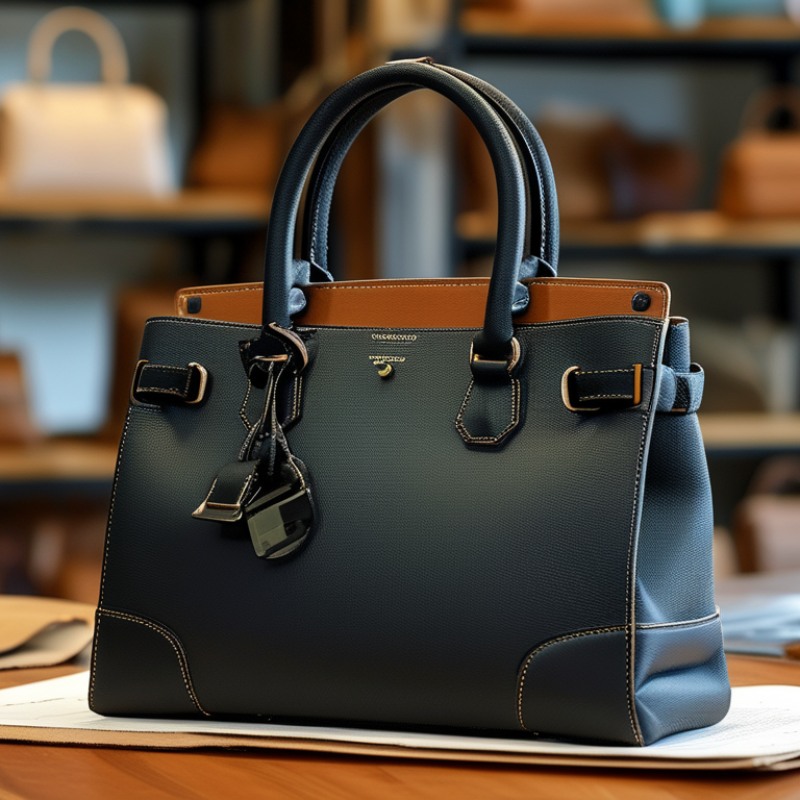
In handbag production, supplier capabilities play a crucial role. Studies show that over 70% of manufacturers cite supplier reliability as a top priority. A reliable supplier ensures timely delivery and consistent quality. Understanding their capabilities can significantly impact your product's overall quality and your brand’s reputation.
Evaluating supplier quality requires more than just checking references. Consider their production processes and technology. Data from industry reports indicates that companies using advanced technology improve their output quality by 30%. It’s vital to ensure your supplier invests in modern machinery and skilled labor.
However, challenges persist. Some suppliers may promise high quality but deliver less than expected. Regular audits and site visits can uncover potential issues. Reflections on past experiences often show that overlooked quality checks lead to costly mistakes. Balancing trust and verification is essential for securing the best quality handbags for your business.
Evaluating handbag suppliers requires careful assessment of key factors. Quality materials and craftsmanship are essential. A research report by Statista shows that 41% of consumers prioritize quality when purchasing handbags. This statistic highlights the importance of selecting suppliers who adhere to high standards.
Supplier experience plays a vital role. An established supplier brings knowledge and reliability. Look for suppliers with at least five years in the industry. Newer suppliers might lack the expertise needed for consistent quality. Moreover, ask for samples to evaluate workmanship and material durability. A well-made sample reflects commitment to quality.
Communication is another factor. Transparent dialogue fosters better partnerships. A critical review from the Journal of Business Research emphasizes the role of effective communication in project success. If a supplier is unresponsive or evasive, it may signal potential issues. Revisiting these evaluations regularly is crucial. Suppliers can change; their capabilities should be assessed periodically.
Evaluating handbag supplier capabilities is crucial for quality assurance. One effective method is site visits. Observing the production process provides insight into their quality control measures. It also allows for direct interaction with the team. Engaging with workers often reveals their commitment to standards.
Another important aspect is reviewing documentation. This includes quality manuals and inspection reports. An ideal supplier has clear protocols. Consistency in these documents can indicate reliability. However, discrepancies should raise red flags. It's vital to ask questions about these procedures. Understanding their approach helps in assessing their reliability.
Supplier audits can offer deeper insights. These assessments should not be superficial. A thorough audit examines training programs and equipment maintenance. Many suppliers may present an impressive front. Yet, hidden issues often surface during in-depth evaluations. Reflecting on these findings can inform future sourcing decisions. Prioritizing quality over cost is essential for sustainable production.
Evaluating a handbag supplier's capabilities requires assessing their experience and industry reputation. Trustworthiness plays a critical role in selecting the right supplier. A recent industry report indicated that 70% of companies that prioritize supplier reliability observe increased operational efficiency. This data highlights the importance of working with reputable suppliers.
Experience demonstrates a supplier's ability to deliver quality products consistently. An experienced supplier can navigate challenges effectively, minimizing risks associated with production. Reviews and testimonials from industry peers provide valuable insights. Look for suppliers with a strong history of positive feedback.
**Tip:** Research industry trade shows and events to identify well-regarded suppliers. Their presence at such events often indicates commitment and credibility.
Additionally, industry reputation is more than just sales numbers. It reflects supplier integrity and customer satisfaction. According to a 2022 survey, 65% of consumers consider reputation when choosing a handbag. A genuine reputation often means the supplier prioritizes quality over quantity.
**Tip:** Reach out to previous customers for references. Their experiences can guide you in making an informed decision.
| Supplier Experience (Years) | Production Capacity (Units/Month) | Quality Certifications | Industry Reputation Score (1-10) | Client Feedback Rating (1-5) |
|---|---|---|---|---|
| 15 | 10,000 | ISO 9001, SGS | 8 | 4.5 |
| 10 | 8,000 | BSCI, ISO 14001 | 7 | 4.2 |
| 20 | 15,000 | ISO 9001, Fair Trade | 9 | 4.8 |
| 5 | 5,000 | ISO 9001 | 6 | 3.9 |
| 12 | 12,000 | ISO 14001, WRAP | 8 | 4.3 |
Building strong relationships with handbag suppliers is essential for quality assurance. Begin by conducting regular communication. Frequent check-ins can clarify expectations and build trust. Consider sharing design insights, production challenges, and feedback. This two-way street fosters collaboration and innovation.
Next, emphasize transparency in your dealings. If there are issues with materials or production timelines, be open about them. Suppliers appreciate honesty. They are more willing to adapt and find solutions when they feel respected. Demonstrating commitment to mutual success encourages them to invest in your partnership.
Explore opportunities for joint training sessions. This can improve skills on both sides and align quality standards. It is also a chance to share best practices. Look for areas where processes can be refined. Reflect on past projects. What worked? What didn’t? Use those insights to guide future collaborations. The goal is to create a positive cycle of feedback and improvement.
: Quality materials and craftsmanship are essential. Research shows that 41% of consumers value quality the most.
An experienced supplier is more reliable. Look for those with at least five years in the industry.
Samples show the supplier's commitment to quality. Evaluate workmanship and material durability before making decisions.
Effective communication is crucial for partnership success. An unresponsive supplier may indicate potential problems.
Yes, suppliers can change over time. Regular evaluations ensure they maintain consistent capabilities.
Check their experience and industry reputation. Positive feedback from peers is a good indication of reliability.
Attending trade shows helps identify reputable suppliers. Their presence often reflects commitment and credibility.
A good reputation reflects integrity and customer satisfaction. 65% of consumers consider it a key factor in their decision.
References from past customers can provide insights. Their feedback can guide you in making informed choices.
Yes, newer suppliers may lack the expertise needed for consistent quality. It's often safer to go with established ones.
In the process of handbag production, understanding how to evaluate handbag supplier capabilities is crucial for ensuring top-notch quality. This involves identifying key factors such as production techniques, material sourcing, and the ability to meet deadlines. Assessing a supplier's quality control processes is vital, as it provides insight into their commitment to maintaining high standards. Additionally, analyzing a supplier's experience and industry reputation can help gauge their reliability and trustworthiness in delivering consistent products.
Fostering strong relationships with handbag suppliers is equally important for quality assurance. By establishing open communication and collaboration, brands can ensure that suppliers are aligned with quality expectations. Regular meetings and performance evaluations can enhance these relationships, ultimately leading to better product outcomes. This holistic approach not only guarantees quality but also strengthens the overall supply chain in handbag production.

Fren Fashion