In the competitive world of fashion, understanding why do fashion brands outsource handbag production is crucial. The global handbag market is projected to reach $72 billion by 2024, with major brands constantly seeking ways to enhance their profit margins. By outsourcing production, brands can tap into lower labor costs and specialized craftsmanship found in countries like Italy and China. This strategy allows them to focus on branding and marketing, which are essential for staying relevant in a saturated market.
However, outsourcing is not without challenges. Quality control becomes complex when production takes place far from a company’s headquarters. Issues like inconsistent quality and communication barriers can arise, leading to potential reputational damage. Additionally, consumers are becoming increasingly aware of ethical issues in production, pressuring brands to ensure sustainability in their outsourced practices.
While the benefits of outsourcing are clear, companies must also reflect on these risks. They need to balance cost savings with the responsibility of ethical manufacturing. A well-executed outsourcing strategy can elevate brand presence, but it requires vigilant oversight and commitment to quality.
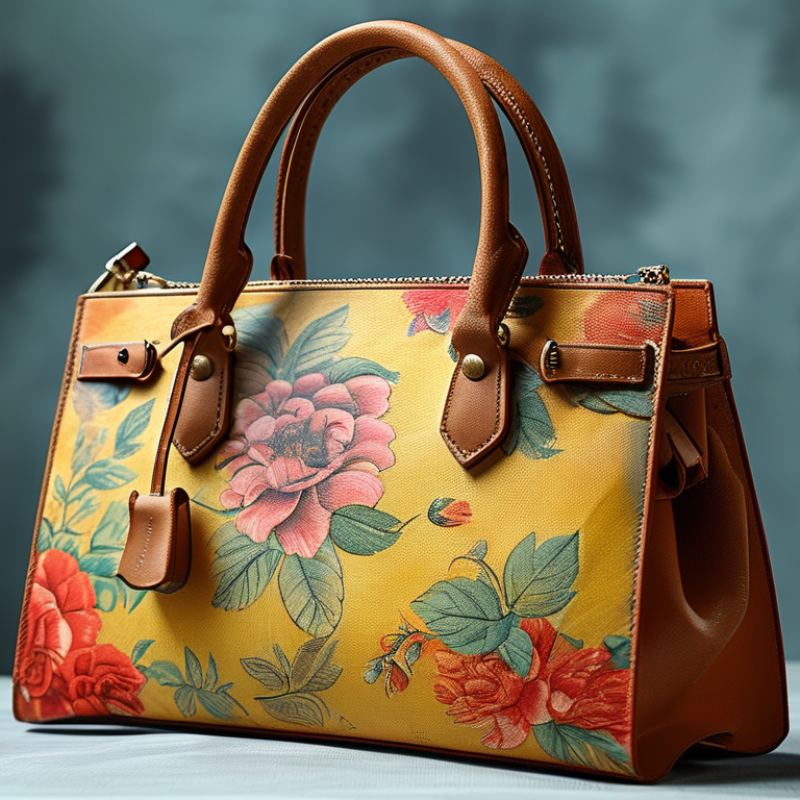
In recent years, many fashion brands have chosen to outsource handbag production. This strategy largely stems from the need for cost efficiency. A study by McKinsey indicates that outsourcing production can reduce manufacturing costs by up to 30%. This savings allows brands to allocate resources toward marketing and design innovation.
Outsourcing also provides access to specialized craftsmanship. Many countries have, over decades, cultivated skills in leatherwork and other materials. For instance, some artisans boast years of experience that enhance the final product. However, reliance on external manufacturers can lead to quality control issues. Brands must implement strict standards to ensure product consistency.
Moreover, the logistics of outsourcing can be complex. Brands must consider shipping costs and potential delays. A report by Statista suggests that delays in delivery can increase costs by an estimated 15%. Balancing cost savings with reliability is a constant challenge. Brands should assess all risks when deciding to outsource, ensuring they maintain both quality and efficiency in production.
Outsourcing handbag production allows fashion brands to access specialized skills and craftsmanship. Handbag manufacturing requires intricate techniques and high-quality materials. Many artisans possess years of experience, often passed down through generations. For instance, a survey by the Council of Fashion Designers of America showed that 70% of brands prefer outsourcing to ensure the highest quality. This specialization can enhance the craftsmanship of handbags, making them more attractive to consumers.
Many production facilities focus exclusively on handbags. Their expertise leads to superior stitching, cutting, and assembly. A report from the U.S. Fashion Industry Association noted that outsourcing can reduce production costs by up to 20%. Brands can focus on design and marketing while leaving complex production processes to skilled OEMs. However, relying on external manufacturers also introduces risks. Quality control can be a concern, and communication barriers may lead to misunderstandings. This highlights the need for strong partnerships and rigorous oversight in outsourcing arrangements.
Finding the right partner is not always straightforward. Brands often face challenges in aligning their vision with the capabilities of manufacturers. The fashion market is dynamic, requiring quick responses to trends. While outsourcing provides access to craftsmanship, it can also create dependency on foreign supply chains. By understanding these complexities, brands can navigate the balance between quality and operational efficiency.
Outsourcing handbag production offers fashion brands significant benefits in scalability and flexibility. With the global fashion market valued at approximately $1.5 trillion, brands often face pressure to meet rapidly changing consumer demands. Outsourcing allows these brands to quickly scale their production volume. According to a McKinsey report, companies that leverage outsourcing can reduce costs by 20-30%. This powerful advantage supports brands aiming to maintain competitive pricing while enhancing profit margins.
Flexibility is another crucial factor in successful fashion production. A fashion label can easily shift production capabilities in response to market trends without the burden of maintaining large manufacturing facilities. Data from FashionUnited shows that 70% of fashion companies have adopted agile production practices to keep up with customer preferences. Yet, this approach does not come without challenges. Managing multiple suppliers can lead to quality control issues and logistical complexities. Brands must carefully consider their partnerships to ensure product quality remains high.
**Tips:** Focus on building strong relationships with trusted manufacturers. Regular communication helps to avoid misunderstandings. Also, invest in technology that tracks production progress in real-time. This can improve responsiveness to market needs while ensuring standards are met. Flexibility in production can be a double-edged sword; it requires constant attention and adjustment to maximize benefits.
Outsourcing handbag production allows fashion brands to concentrate on their core business. By offloading manufacturing to specialized companies, they save time and resources. A report by McKinsey highlights that companies focusing on core competencies can achieve a 30% increase in operational efficiency. This shift enables brands to allocate more resources to marketing and design.
Moreover, outsourcing helps brands manage risks effectively. According to a recent study by Bain & Company, brands that outsource can reduce their production costs by up to 20%. This is crucial in a competitive market where consumer preferences change rapidly. However, relying on external partners may bring challenges, such as quality control and communication issues.
Fashion brands must continuously evaluate their outsourcing partners. Transparency and consistent quality checks are vital. A study by Deloitte found that 60% of brands face difficulties in quality management when production is outsourced. Addressing these concerns is necessary for maintaining brand integrity while benefiting from outsourcing. Ultimately, balancing focus on core activities with strategic partnerships can lead to sustainable growth.
As global market trends evolve, fashion brands increasingly outsource handbag production. Cost efficiency stands out. According to a 2022 industry report, brands can reduce production costs by up to 30% through outsourcing. This shift allows companies to allocate resources to marketing and design.
Moreover, workforce expertise plays a significant role. Many fashion brands seek artisans with specialized skills. Countries with a long history of craftsmanship often provide superior quality. A study by the Fashion Institute noted that skilled labor can increase product longevity, primarily when sourced from regions known for leather goods. Yet, this reliance raises questions about ethical labor practices.
Sustainability is another driving force. A report from the Global Fashion Agenda highlights that 45% of brands are looking for more eco-friendly production methods. Outsourcing helps in accessing sustainable materials. However, transparency in supply chains remains a challenge. Consumers increasingly demand to know where their products come from. Balancing cost, quality, and ethics is essential yet complex for brands today.
: Brands outsource to access specialized skills and craftsmanship, ensuring high-quality products.
Outsourcing can reduce production costs by up to 30% and allows brands to focus on marketing.
Brands often encounter quality control issues and communication barriers with external manufacturers.
Studies show that focusing on core competencies can increase efficiency by 30%.
Brands must align their vision with manufacturer capabilities and prioritize transparency.
Yes, reliance on foreign manufacturing can raise questions about labor practices and sustainability.
Evolving trends push brands to seek cost efficiency and skilled labor for better quality.
Many brands aim for eco-friendly production, but transparency in supply chains is challenging.
Consistent quality checks are vital; 60% of brands report difficulties in maintaining quality when outsourcing.
Balancing cost, quality, and ethics is essential yet difficult in today’s competitive market.
In today's competitive landscape, many brands are increasingly asking, "why do fashion brands outsource handbag production?" One primary reason is cost efficiency; outsourcing allows brands to reduce manufacturing expenses while maintaining quality. Furthermore, access to specialized skills and craftsmanship is a significant draw, as many production facilities possess expertise that may not be available in-house.
Additionally, outsourcing provides the benefits of scalability and flexibility, enabling brands to adjust production levels according to market demands without the burden of fixed investments. Lastly, focusing on core business activities becomes easier with outsourcing, allowing brands to devote more resources to design, marketing, and brand development. Together, these factors illustrate how global market trends are shaping the decision-making process for fashion brands considering outsourcing handbag production.

Fren Fashion