In the fast-paced world of fashion, the choice of materials for handbags plays a pivotal role. "Why is material selection critical for handbags?" This question resonates deeply within the industry. According to a report by the Global Fashion Agenda, sustainable materials can reduce environmental impact by up to 30%. This statistic emphasizes the weight of material choices.
Expert Anna Smith, a leading figure in fashion sustainability, states, “The right material can elevate a handbag from ordinary to extraordinary.” Her words underline the intrinsic value of material selection. Consumers increasingly demand products that not only look stylish but also uphold ethical standards. Thus, brands that ignore material selection may alienate eco-conscious shoppers.
Quality, aesthetic appeal, and durability hinge on material choice. With the luxury market projected to grow by 4% annually, brands must respond to this trend wisely. However, the challenge lies in balancing cost with quality. Selecting the wrong materials can lead to customer dissatisfaction and brand tarnishment. Thus, designers must reflect on the implications of their choices, recognizing that each handbag tells a story shaped by its materials.
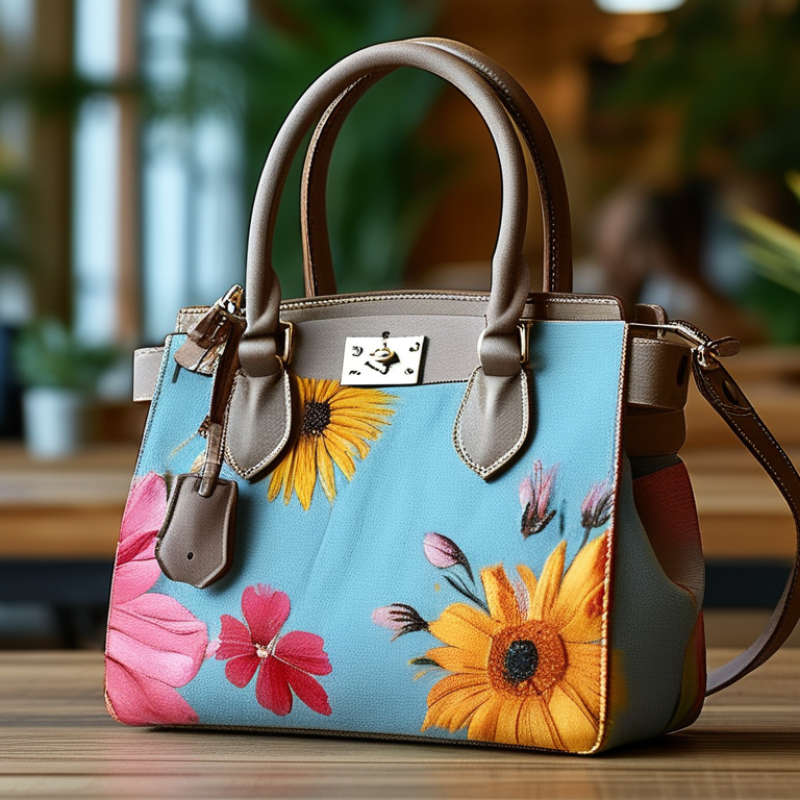
The Role of Material Selection in Handbag Design
Material selection plays a critical role in handbag design, influencing both aesthetic appeal and functionality. According to the Council of Fashion Designers of America, the choice of materials can affect consumer perception and sustainability. A bag made from eco-friendly materials can attract environmentally conscious buyers. In 2022, over 60% of consumers reported considering sustainability important when purchasing fashion items. This highlights the need for designers to choose materials that resonate with their target audience.
Texture, weight, and durability are essential factors to consider. Leather is often favored for its luxury feel. However, synthetic alternatives like vegan leather have gained popularity. These materials can offer similar aesthetics while reducing environmental impact. The market for sustainable materials is expected to grow by 7.5% annually, showing a shift in consumer values.
Choosing the right material isn’t just about looks. Each material brings unique challenges. For instance, lightweight fabrics may not hold shape well. Designers must balance style with practicality. The right selection can enhance the usability and lifespan of the handbag.
Always keep an eye on trends in material innovation. Investigate new fabrics that offer durability without sacrificing style. Explore biodegradable options that align with consumer demands. Reflect on how your choice can impact both the design and the world around you.
Why is Material Selection Important for Handbags in Fashion? - The Role of Material Selection in Handbag Design
| Material Type |
Durability |
Aesthetic Appeal |
Cost |
Sustainability |
| Leather |
High |
Classic and Luxurious |
High |
Low (animal-derived) |
| Canvas |
Medium |
Casual and Versatile |
Medium |
High (often made from organic cotton) |
| Synthetic Leather |
Medium to High |
Stylish and Trendy |
Medium |
Variable (depends on production process) |
| Nylon |
High |
Modern and Functional |
Low |
Medium (synthetic materials) |
| Wool Felt |
Medium |
Unique and Cozy |
Medium |
High (natural fiber) |
Types of Materials Commonly Used in Fashion Handbags
When it comes to fashion handbags, material selection is crucial. The fabric not only defines the bag's aesthetic but also its durability and functionality.
Leather is a classic choice, offering a luxurious feel with great longevity. However, leather can be high maintenance, needing care to prevent scratches and stains.
Canvas is another popular option. It’s lightweight and often more affordable. Yet, canvas lacks the elegance of leather, which may affect its appeal.
Synthetic materials, like nylon or polyester, have become widely used. They are often waterproof and resistant to wear and tear, making them practical for everyday use.
Choosing the right material involves understanding your personal style and needs. Consider what you will use the handbag for. If it's for occasional use, a delicate fabric may work. For daily wear, opt for something more durable.
Don’t overlook the environmental impact of your choice. Some materials are more sustainable than others. Researching your options might lead to unexpected finds that align with your values. Aim for a bag that is not only stylish but practical too.
Impact of Material Quality on Durability and Longevity
Choosing the right material for handbags is crucial in the fashion industry. The quality of materials directly affects durability and longevity, which are key factors for consumers. According to a 2021 industry report, 70% of consumers consider the lifespan of a handbag before purchasing. High-quality materials, like full-grain leather or heavy-duty canvas, can last many years, often outlasting cheaper, synthetic alternatives.
Incorporating durable materials not only enhances a handbag's appeal but also offers a sustainable advantage. A 2019 study suggested that sustainable materials are in high demand, with 62% of buyers willing to pay more for ethically sourced products. However, using less durable materials may result in a shorter product lifespan, causing consumers to replace their bags frequently.
When selecting materials, consider the environmental impact. Sourcing sustainable materials can reduce waste and promote ethical practices in the industry. Ensure that the chosen material aligns with consumer values. Aesthetic appeal should not overshadow functionality. Reflect on the long-term benefits of investing in high-quality materials over cheaper options, even if they require higher initial costs. Balancing quality and sustainability can yield significant rewards in this ever-evolving market.
Aesthetic Considerations in Handbag Material Choices
In the world of fashion, the choice of materials for handbags can significantly impact their aesthetic appeal. Designers often grapple with the decision to use leather, canvas, or synthetic fabrics. Each material possesses unique qualities that can greatly alter the handbag's overall look. Leather offers elegance and sophistication, while canvas presents a more casual vibe. The sheen of a material can also affect how colors appear, compelling designers to consider lighting and texture during selection.
Additionally, the tactile sensation of materials influences consumer perception. A handbag made from smooth, supple leather invites touch and admiration. Conversely, rough or dated materials may turn potential buyers away. It’s essential to recognize the gap between ideal aesthetics and practical realities. Some materials may not retain their beauty over time, leading to disappointment. This comparison demands constant reflection from designers about their choices, ensuring that a handbag remains stylish yet durable.
Beyond visual appeal, environmental considerations also come into play. The rise of sustainable fabrics necessitates a more thoughtful approach to material selection. This shift challenges designers to balance beauty with responsibility. Each handbag must not only be a fashion statement but also a step towards a more sustainable future. As trends evolve, the intricate dance between aesthetics and material science becomes ever more critical in the handbag industry.
Sustainability and Ethical Factors in Material Selection
The choice of materials in handbag design greatly influences sustainability and ethical practices. Many consumers now demand products that respect the planet. This shift is changing how brands approach material selection. Fashion houses are increasingly looking at organic, recycled, or innovative materials. Each choice plays a role in the overall environmental impact.
Sustainable materials can include organic cotton, hemp, and recycled plastics. These options often reduce waste and carbon footprints. However, sourcing these materials isn't always straightforward. Some alternatives may appear eco-friendly but require significant resources to produce. It’s crucial to critically evaluate what is marketed as sustainable. Transparency is needed to ensure that the materials truly contribute to positive change.
Ethical considerations also matter in material selection. Choosing vegan leather or cruelty-free alternatives can address animal welfare concerns. Yet, many synthetic options are not biodegradable. This raises questions about their end-of-life impact. Finding the balance between style, sustainability, and ethics is a challenge. It compels designers to rethink traditional practices and embrace a more considerate approach to fashion.
FAQS
: Fashion handbags often use leather, canvas, and synthetic materials like nylon or polyester. Each material has unique benefits.
Leather offers a luxurious feel and durability. However, it requires maintenance to prevent scratches and stains.
Canvas is lightweight and affordable but lacks the elegance of leather. It’s suitable for casual use.
Synthetic materials are often waterproof and durable. They can withstand daily wear but may have different aesthetic appeals.
Higher quality materials, like full-grain leather, tend to last longer. Consumers value longevity and durability in their purchase decisions.
Researching material origins is crucial. Not all marketed sustainable options are genuinely eco-friendly or low impact.
Choosing vegan or cruelty-free materials addresses animal welfare. However, synthetic alternatives may raise environmental concerns.
Sustainable materials can reduce carbon footprints and waste. Awareness of environmental implications leads to more responsible choices.
Balancing style, functionality, and sustainability is complex. Designers must navigate between aesthetics and ethical practices.
Yes, high-quality materials may have higher upfront costs but offer longer-lasting value and sustainability benefits over time.
Conclusion
Material selection is critical for handbags in fashion due to its significant influence on both the design and functionality of the product. The role of material encompasses not only aesthetic appeal but also the durability and longevity of the handbag. Common materials used include leather, canvas, and synthetic fabrics, each bringing unique characteristics that impact overall performance and style. Choosing high-quality materials ensures that the handbag can withstand wear and tear, providing value over time.
Additionally, sustainability and ethical considerations are increasingly vital in material selection for handbags. As consumers become more environmentally conscious, the demand for sustainable materials rises, prompting designers to consider the ecological impact of their choices. Ultimately, understanding why material selection is critical for handbags helps in creating products that are not only visually appealing but also durable and environmentally responsible.

 Fren Fashion