How to Source Sustainable Handbags in 2026?

Time:2026-11-01 Author:Oliver
0%

Why are sustainable handbags becoming popular? Buyers increasingly ask what a bag is made from, who made it, and how long it will last. A polished product photo cannot answer those questions. In 2026, sourcing teams need evidence: material specifications, supplier details, sample testing, and clear care guidance. They also need to look beyond a “green” label. Claims without supporting records can mislead customers and weaken trust.

Fashion Revolution co-founder and sustainable-fashion expert Orsola de Castro has said, “The most sustainable garment is the one already in your wardrobe.” Her point is a useful challenge for handbag sourcing. A new bag is not automatically a better choice because it uses recycled fabric or plant-based material. Check durability, repair options, coatings, hardware, and the conditions under which the product is made. Ask suppliers for traceable information, then compare it with physical samples and documentation. Small details matter: a zipper that fails, a lining that tears, or a handle that cannot be repaired may shorten a bag’s life.

There is no perfect material. That is worth admitting. A recycled textile may reduce demand for virgin inputs, yet still require scrutiny for quality and processing. This guide explores how to source sustainable handbags in 2026, from supplier evaluation and material selection to verification and product longevity. It offers practical questions, not a shortcut to certainty. Buyers should keep checking their assumptions, especially when a claim sounds too simple.
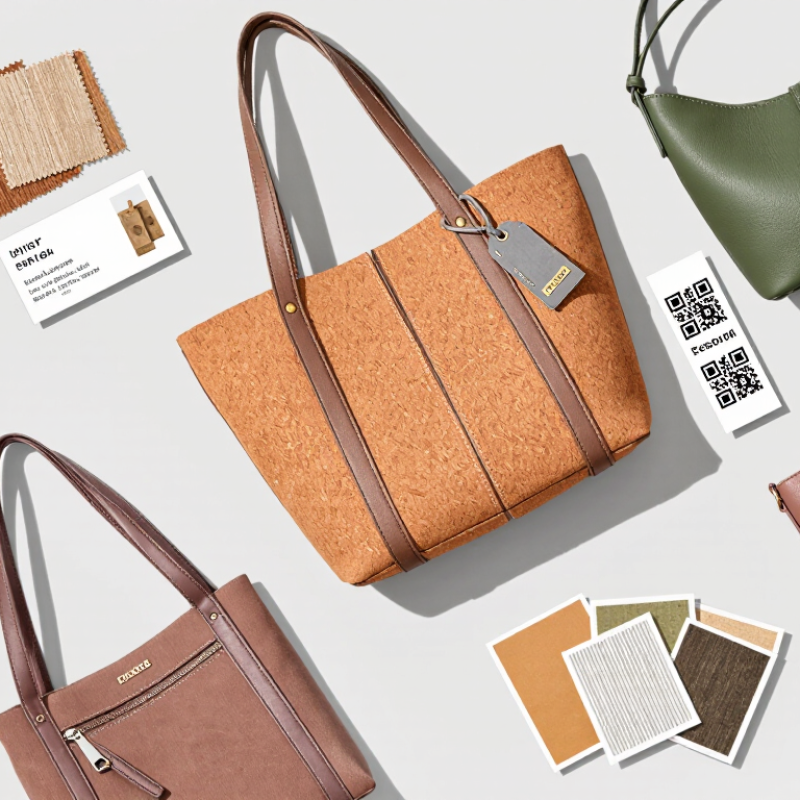
How to Source Sustainable Handbags in 2026?

Define What Makes a Handbag Sustainable in 2026

In 2026, a sustainable handbag is not defined by one “eco” material. It earns that description through evidence across its life: where fibers and hardware come from, how they are processed, and how long the bag can stay in use. Ask suppliers for material specifications, traceability records, and details about production facilities. A polished brochure is not enough. That sounds strict, but vague answers make comparisons unreliable.

Look closely at materials and construction. Recycled or plant-based inputs may reduce some impacts, yet coatings, dyes, blends, and energy use matter too. Check whether material percentages refer to the whole bag or only its outer fabric. Then inspect stitching, stress points, lining, zippers, and replacement options. Can a repairer fix a torn strap? Small detail. Big difference. Request test results for colorfastness and abrasion instead of relying on “built to last.”

Assess labor and environmental controls at production sites, not only at a trading office. Look for dated audits, corrective-action records, wastewater information, and clear points of contact. No single certificate proves that an entire product is sustainable. Compare like with like, and note what remains unknown. A heavier bag may last longer, but its material and shipping impacts still count. I would not call any handbag perfect. Its claims are more defensible when they are specific, independently checkable, and honest about trade-offs.

Identify Materials That Meet Your Sustainability Criteria

When sourcing sustainable handbags in 2026, define what “sustainable” means for the product. Is your priority lower fossil-fuel use, traceable animal-based materials, or reduced waste? These goals can conflict. A recycled fabric may have strong recycled-content credentials but still require a durable lining, reliable stitching, and repairable hardware.

Textile Exchange’s Materials Market Report 2024 estimates that recycled fibers made up 7.9% of global fiber production in 2023. That figure is a useful reality check: recycled-content claims need clear evidence. Ask suppliers for material composition, recycled-content percentages, and chain-of-custody documents. For recycled textiles, check whether certification covers the material in the finished bag, not only the raw input. For plant-based fibers, request origin and processing details. For leather, seek traceability and independently verified facility information. Labels help, but they do not tell the whole story.

Get specific. Ask for a sample and inspect its lining, seams, edge paint, and hardware. Request test results for colorfastness and abrasion resistance; a bag that wears out quickly is not a good outcome. Shorter supply chains may improve visibility, but distance alone does not prove lower impact. I would treat supplier scorecards as a starting point, not proof. Some data will be incomplete. Record the gaps, and avoid making claims your evidence cannot support.

How to Source Sustainable Handbags in 2026? – Identify Materials That Meet Your Sustainability Criteria

Compare material options by feedstock, potential benefits, trade-offs, and the evidence to request from suppliers.
Material Typical Feedstock Potential Sustainability Strengths Impacts and Trade-Offs to Check Useful Supplier Evidence
Recycled polyester Post-consumer plastic bottles or post-industrial polyester waste. Uses recovered feedstock and can reduce demand for virgin polyester. Remains a synthetic fiber and can release microfibers during use and washing. Bottle-derived material may divert feedstock from bottle-to-bottle recycling systems. Request recycled-content documentation and chain-of-custody evidence. GRS or RCS certification can help verify recycled content; check the product scope and certificate validity.
Recycled nylon Recovered nylon waste, which may include industrial scraps or discarded fishing nets. Can replace some virgin nylon with recovered material while making use of existing waste streams. Availability, feedstock type, and recycled content vary. It is still a synthetic fiber, and recyclability of the finished handbag depends on its construction and material blends. Ask for the exact feedstock, recycled-content percentage, chain-of-custody records, and current GRS or RCS documentation where applicable.
Organic cotton Cotton grown under an organic production standard. Organic production standards restrict the use of specified synthetic pesticides and fertilizers. Cotton still requires land and water, and impacts vary by growing region, irrigation, processing, and dyeing. “Organic” alone does not establish low overall impact. Request a valid scope certificate and product-level transaction documentation. GOTS and OCS verify different aspects of organic fiber content and supply-chain handling.
Linen or hemp Flax stems for linen; hemp stems for hemp fiber. Both are plant-based fibers and can be durable when appropriately woven and finished. Growing conditions, retting, fiber processing, dyes, and finishes affect impacts. A plant-based fiber is not automatically lower-impact in every sourcing region or product design. Request fiber composition, country or region of origin, processing and finishing details, chemical-management information, and relevant farm or textile certifications.
Cork fabric Bark harvested from cork oak trees and processed into sheets, often with a textile backing. Cork bark can be harvested without felling the tree when managed appropriately. Check forest management, harvest traceability, backing-fabric composition, binders, coatings, and the material’s durability in the finished bag. Request origin and chain-of-custody information, details of the backing and coatings, and applicable forest-management documentation, such as FSC certification where relevant.
Leather from traceable hides Animal hides, commonly sourced from cattle. Long service life and repairability can extend product use when the bag is well made and maintained. Impacts can include livestock emissions, land use, tanning chemicals, and wastewater. Leather is not inherently a low-impact choice, and animal-welfare claims require separate evidence. Ask for hide-origin traceability, tannery and wastewater controls, chemical-management records, and animal-welfare information. A tannery rating is not, by itself, proof of full-product sustainability or animal welfare.
Plant-based coated materials Plant-derived inputs such as agricultural residues combined with a textile backing and often polymer binders or coatings. May incorporate renewable or waste-derived feedstock and can reduce reliance on some fossil-derived inputs. “Plant-based” does not mean fully plant-derived, biodegradable, or recyclable. The backing, binders, coatings, and production process determine much of the material’s composition and end-of-life options. Request the full bill of materials, percentage of plant-derived content by weight, coating chemistry, durability test results, and evidence for any biodegradability or recyclability claim.

Find Suppliers and Manufacturers with Traceable Practices

Sourcing a sustainable handbag in 2026 means looking beyond a material label. Ask suppliers where the fabric, lining, thread, hardware, and packaging come from. Request the names and locations of relevant mills, tanneries, and assembly facilities. Ask for batch records or invoices that connect each material to the finished product. Ask for specifics. If a supplier cannot trace one component, record that gap instead of treating the whole bag as fully traceable.

Check whether documents match the product you plan to order. A certificate may cover a particular material, facility, or period, not every item in a collection. Request current records, material specifications, and written confirmation of any subcontracting. Compare these details with a sample: feel the lining, inspect the seams, and check whether the stated hardware matches what is attached. When records are unclear, consider an independent review before placing a large order. This takes time, and it can expose inconvenient gaps.

Traceability should continue after production begins. Agree on how suppliers will identify batches, report material substitutions, and notify you about production changes. Ask about defect rates, repair options, and leftover material handling; these details reveal how the operation works beyond its marketing claims. Keep a simple file for each style, with supplier contacts, dated documents, and unresolved questions. Paperwork can lag behind shipments. That matters. A supplier may be cooperative yet still have incomplete records, so make improvement plans specific, dated, and easy to check.

How to Source Sustainable Handbags in 2026?

EU policy milestones shaping traceable material sourcing

The EU Ecodesign for Sustainable Products Regulation (ESPR) entered into force in 2024. The Commission’s 2025–2030 ESPR Working Plan prioritizes textiles and apparel, with requirements indicatively planned for 2027. In 2026, ask suppliers to map material origins and retain evidence that can support upcoming product-traceability requirements.
Sources: Regulation (EU) 2024/1781; European Commission, ESPR Working Plan 2025–2030.

Verify Certifications, Labor Standards, and Environmental Claims

How to Source Sustainable Handbags in 2026?

A “recycled” label is a starting point, not proof. Ask for current certificates, material percentages, production-site details, and transaction records linking each shipment to its source. Textile Exchange’s Materials Market Report 2024 estimates that global fiber production reached 124 million tonnes in 2023, with polyester accounting for 57%. That scale makes traceability essential. Check whether a certificate covers a fiber, facility, or finished product; these are not interchangeable.

For labor standards, request recent audit findings, wage and overtime records, confidential worker interviews, grievance channels, and documented corrective actions. The ILO, Walk Free, and IOM estimated 27.6 million people were in forced labor worldwide in 2021, in their Global Estimates of Modern Slavery report. This figure is not specific to handbag production, but it shows why supplier oversight matters. Audits can miss things. Treat them as one source of evidence, not a guarantee.

Environmental claims should name measurable impacts and clear boundaries. Ask whether reported emissions cover material production, assembly, and transport, and whether water or waste figures have independent verification. Look closely at vague phrases such as “planet-friendly.” No checklist is perfect, and smaller suppliers may have uneven records. Missing documents should prompt careful follow-up, not an instant verdict.

Compare Costs, Production Capacity, and Delivery Requirements

When comparing sustainable handbag suppliers in 2026, look beyond the unit price. Ask for a cost breakdown covering material, cutting, stitching, hardware, packaging, and freight. A recycled fabric may cost more, but documented composition and traceability help confirm what you are paying for. Request recent invoices or material specifications where available. Small runs cost more. That is normal, but setup fees should be clear.

Compare capacity against your actual launch plan, not a supplier’s maximum monthly output. Ask how many bags the workshop can make with the chosen material, and whether that figure includes quality checks. Check sample-to-bulk consistency: uneven seams or mismatched shades can create returns and waste. Confirm which steps happen in-house and which are subcontracted. A spreadsheet will not reveal every production snag; leave room to revise assumptions.

Delivery requirements need the same scrutiny as price. Confirm sample approval dates, production lead time, shipping method, carton dimensions, and the latest dispatch date that still works for your sales calendar. Ask how delays are communicated and what happens if a material arrives late. Build a buffer for inspection and transit, especially when sourcing across borders. Faster shipping may erase some cost savings and add emissions. It is a trade-off worth discussing, not hiding.

FAQS

What makes a handbag sustainable in 2026?

It needs evidence across its life, from material sourcing to production and repair options. No single “eco” material proves sustainability.

Which documents should I request from a supplier?

Ask for material specifications, traceability records, facility details, dated audits, and corrective-action records. A polished brochure is not enough.

How can I check a bag’s material claims?

Confirm whether stated percentages cover the whole bag or only its outer fabric. Coatings, dyes, blends, and energy use matter too.

What construction details affect a handbag’s useful life?

Inspect stitching, straps, lining, stress points, and zippers. Ask whether a repairer can replace a strap or fix a seam. Small detail. Big difference.

Do certificates prove that an entire handbag is sustainable?

No. Compare specific, independently checkable evidence, and record what remains unknown. I would not call any bag perfect.

What costs should I compare between suppliers?

Request a breakdown for materials, cutting, stitching, hardware, packaging, and freight. Small production runs often cost more, but setup fees should be clear.

How do I assess production capacity?

Match capacity to your launch plan, not a supplier’s maximum monthly output. Ask whether the estimate includes quality checks and subcontracted work.

What delivery details should I confirm?

Check sample approval dates, production lead time, shipping method, carton dimensions, and dispatch deadlines. Allow time for inspection and transit. Plans can slip.

Conclusion

Sourcing sustainable handbags in 2026 begins with defining what sustainability means for your product. Consider the materials’ environmental impact, durability, repairability, and end-of-life options, alongside responsible labor practices. Compare materials such as recycled fibers, responsibly sourced natural materials, and innovative lower-impact alternatives against clear criteria, rather than relying on broad sustainability claims. Understanding why are sustainable handbags becoming popular can also help guide product decisions: many shoppers value transparency, lasting quality, and choices that better reflect their environmental and social priorities.

Next, identify suppliers and manufacturers that can explain where materials come from and how products are made. Request traceability records, review relevant certifications, and verify labor and environmental claims with supporting documentation. Then assess practical requirements, including unit costs, minimum order quantities, production capacity, quality controls, and delivery timelines. A balanced evaluation helps ensure that sustainability goals are supported by reliable evidence and that the finished handbags can be produced consistently, meet customer expectations, and arrive when needed.

Oliver

Oliver

Oliver is a seasoned marketing professional with a wealth of expertise in driving brand awareness and engagement. With a deep understanding of our company's product offerings, he consistently delivers high-quality content that enriches our professional blog. His insights not only shed light on......