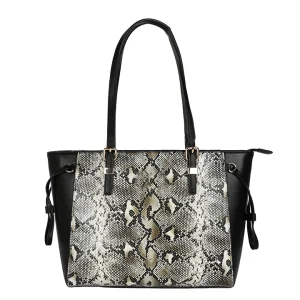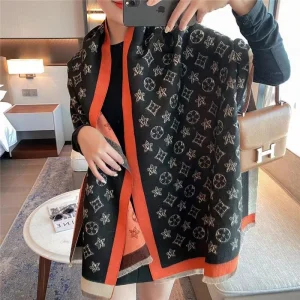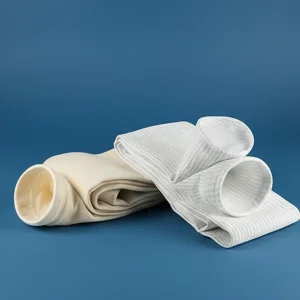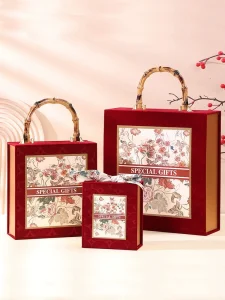
In the hyper-competitive global luxury and premium apparel segments, the shift toward scarcity marketing has redefined manufacturing standards. Limited edition handbag releases are no longer exclusive to traditional Parisian heritage houses. Contemporary fashion conglomerates, niche designer labels, and digital-first brands leverage restricted-production runs to mitigate overstock risks, stimulate consumer urgency, and maximize profit margins. Sourcing premium handbags requires deep alignment between brand conceptualization and manufacturing agility.
A critical challenge in limited-edition sourcing is ensuring uncompromising craftsmanship consistency when scaling from dynamic 3D-assisted digital mockups to strict, small-batch physical production runs. As global procurement officers balance environmental mandates (such as zero-waste manufacturing, biodegradable linings, and carbon-neutral logistics) with traditional margins, the choice of manufacturer determines brand credibility. Leading Chinese exporters are now positioning themselves not merely as assembly sites, but as end-to-end design engineering partners capable of managing highly complex supply networks.
Adoption of Leather Working Group (LWG) certified tanneries, plant-based vegan fibers (cork, pineapple, mushroom), and GRS-certified recycled polyesters to meet European and American import mandates.
Implementation of strict SKU-level volume tracking and serial numbers to prevent grey market leakage and maintain authentic limited distribution channels.
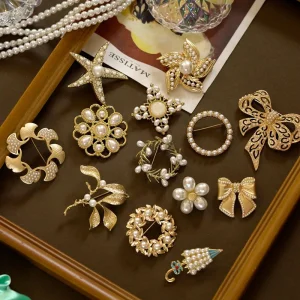
Deploying advanced hardware electroplating, high-precision laser-embossing, and structural custom folding mechanisms that redefine modern handwear aesthetics.
Dongguan Fren Fashion Co., Ltd. is a professional Handbag Manufacturer specializing in fashion bags, private label collections, and custom accessories solutions for global fashion brands, retailers, wholesalers, and sourcing companies. Located in Dongguan, China, the company focuses on the design, development, and production of high-quality handbags and fashion accessories that combine functionality, style, and market-driven trends.
With extensive experience in fashion manufacturing, Fren Fashion provides a comprehensive range of solutions covering fashion handbags, lifestyle accessories, premium bag collections, sustainable fashion products, private label development, OEM manufacturing, and ODM design services. The company works closely with customers to transform concepts into market-ready collections that align with brand positioning, target audiences, and evolving fashion demands.
Fren Fashion places strong emphasis on craftsmanship, material selection, and production consistency. Its experienced design and product development teams continuously monitor international fashion trends and consumer preferences to support customers with innovative product concepts and customized solutions. From material sourcing and sample development to mass production and quality inspection, the company maintains a structured manufacturing process designed to ensure product reliability and visual appeal.
Equipped with modern production facilities and comprehensive quality management systems, Fren Fashion is committed to delivering products that meet international quality standards and customer expectations. The company offers flexible manufacturing capabilities that support both emerging fashion brands and established global retailers seeking scalable production solutions.
Serving customers across North America, Europe, Asia, the Middle East, South America, and other international markets, Dongguan Fren Fashion Co., Ltd. is dedicated to building long-term partnerships through dependable manufacturing, efficient project management, and responsive customer support. The company continues to help fashion businesses develop competitive handbag collections and custom accessories solutions for diverse global markets.
Visual asset documentation verifying cleanroom environments, specialized leather splitting/skiving machinery, hand-stitch finishing lines, and comprehensive quality control (QC) tracking systems inside the Dongguan facilities.
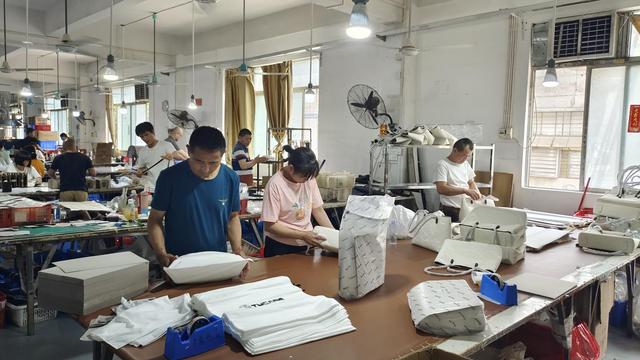
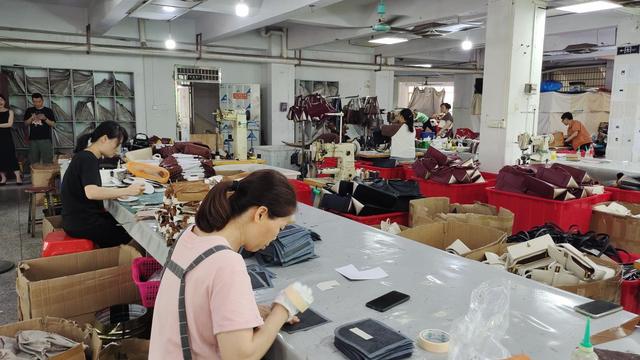
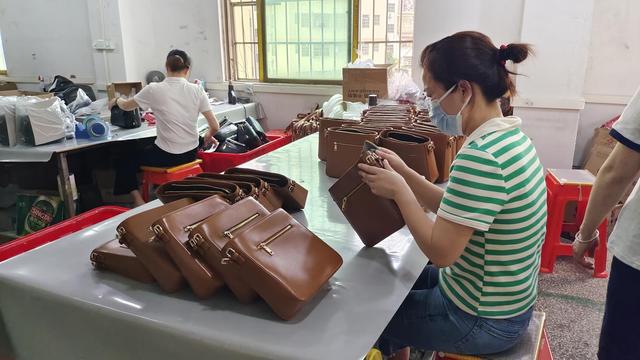
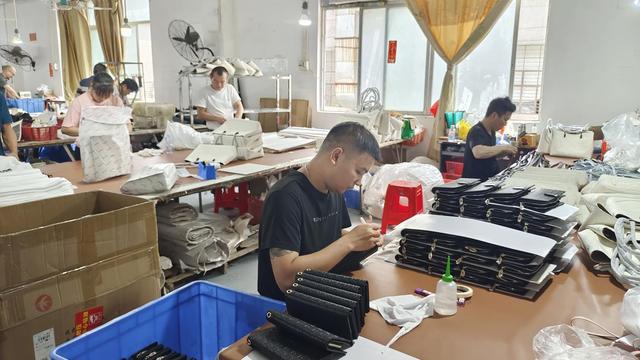
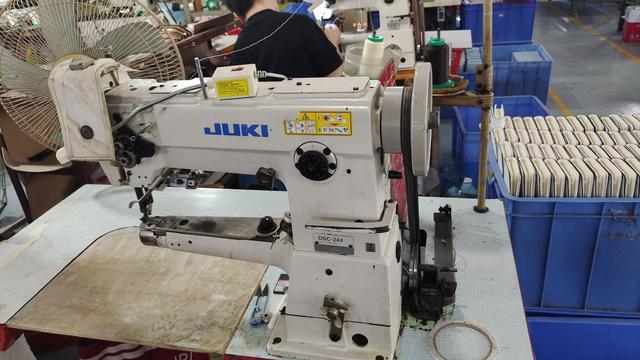
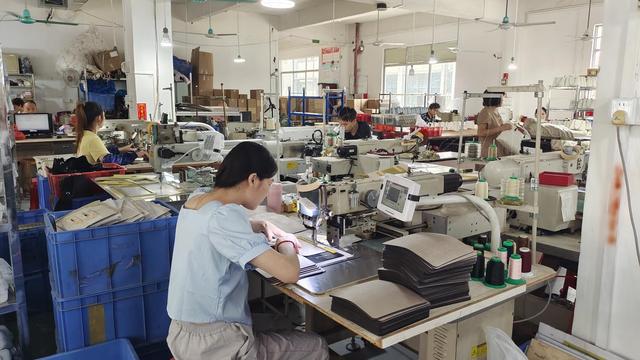
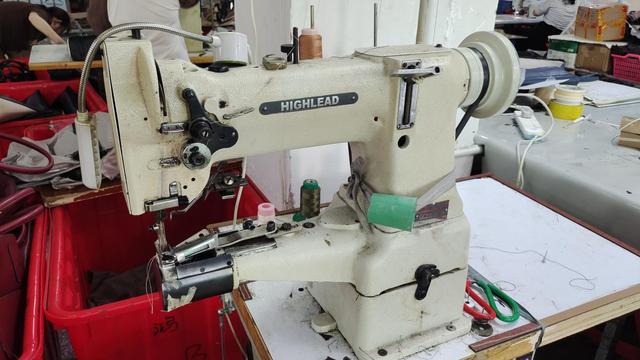
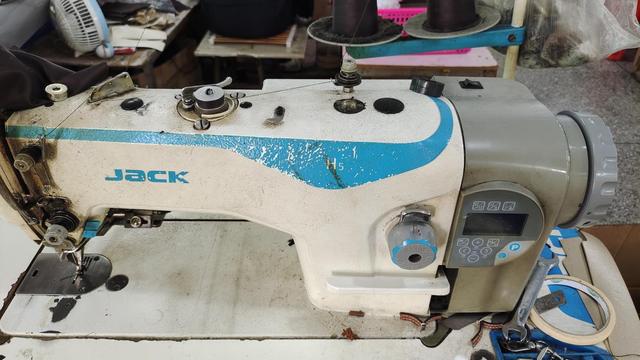
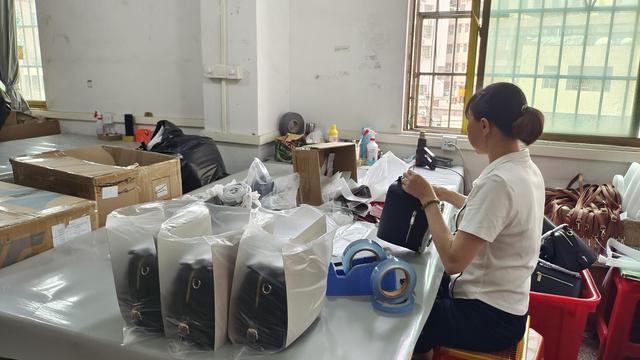
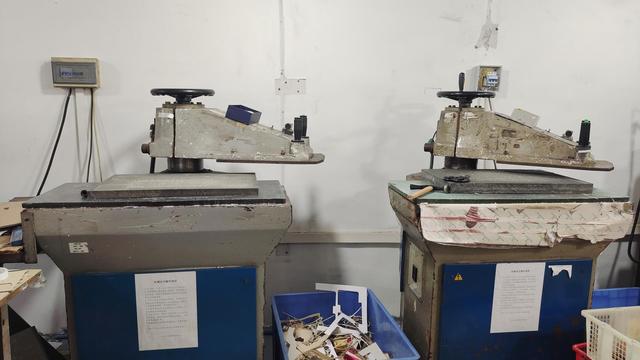
The traditional handbag manufacturing matrix has undergone a tech-driven evolution. The integration of Industry 4.0 principles in Chinese factories has successfully bridged the gap between artisanal luxury and rapid-prototyping efficiency. Dongguan, long recognized as the world's capital for high-end leather goods production, now leverages computerized nesting algorithms and automated leather cutting machines to maximize material yields and reduce prototype turnaround times from weeks to hours.
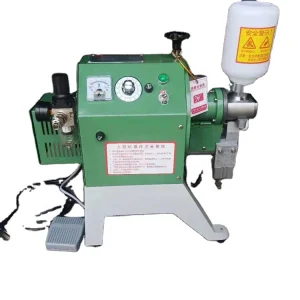
By utilizing CAD/CAM integration alongside automated gluing machines (such as heavy-duty hot-melt glue applicators), factories like Fren Fashion can ensure perfect seam sealings and consistent hardware alignments across both high-volume runs and bespoke, low-MOQ limited collections. This hybrid manufacturing approach retains the essential human touch where it matters—such as manual edge painting, hand stitching, and manual structural reinforcement—while removing variability in structural components.
Global brands can monitor their production status via cloud-based ERP systems, showing real-time material status, assembly line yield rates, and QA checkpoints. This eliminates communication delay for North American and European design departments.
Located within Dongguan, our facility benefits from an ecosystem where raw leather tanneries, custom alloy hardware workshops, dye pigment labs, and eco-packaging plants are situated within a 50km radius. This prevents logistics disruptions and keeps production moving forward.
Applying digital simulations to test bag weight distribution, stress points on handles, and material folding behavior before the physical cutting begins. This reduces material wastage and speeds up the time-to-market for limited releases.
Depending on geographic demographics and target user intent, global corporate buyers require highly specific product performance profiles. We categorize these into four main application areas:
Boutique retail brands in North America and Western Europe target discerning consumers seeking luxury materials. These clients look for designer-inspired, high-quality classic silhouettes featuring premium vegan PU leather, customized brass hardware with anti-oxidation treatment, and personalized micro-embossing. Production runs are small but demand extreme consistency.
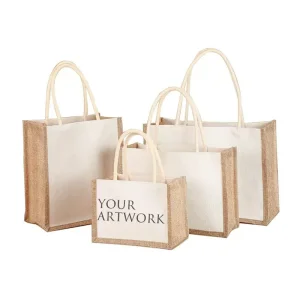
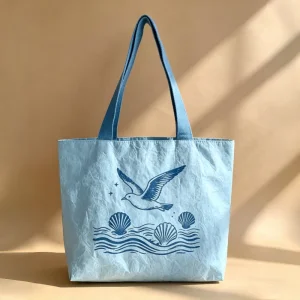
Brands focused on sustainability need products with verified environmental credentials. Sourcing shifts from animal hides to recyclable paper materials, biodegradable jute, and water-based, solvent-free materials. Products like DuPont Tyvek shopping bags and organic linen totes meet the regulatory requirements for zero plastic in regions like Germany and California.
For commuters and outdoor professionals, utility is priority. These buyers require waterproof TPU-coated linings, military-grade webbing, double-stitched stress zones, and modular internal layouts for laptops or tech gear. Sourcing involves rigorous wear testing, tensile strength testing, and moisture-exposure assessments.
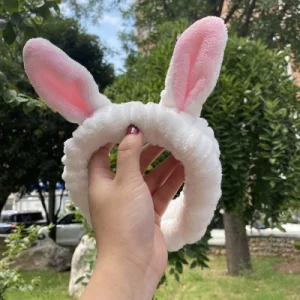
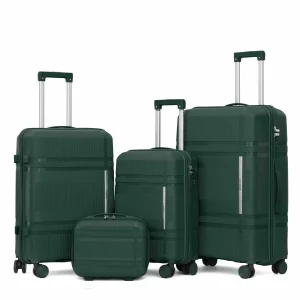
Agility is critical. Sourcing agents look for manufacturers that can produce 300 to 500 units of a highly trend-driven design (such as plush coral fleece accessories or structured cylindrical sports fitness bags) and deliver them within 20 days. This requires a streamlined pattern-to-product workflow.

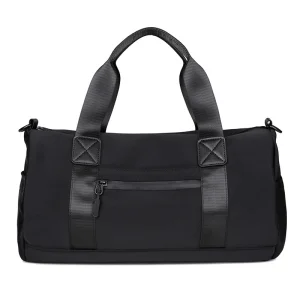
 Fren Fashion