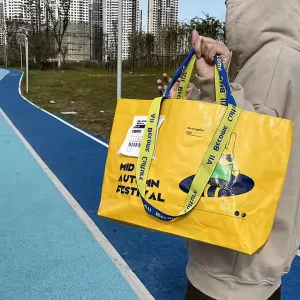
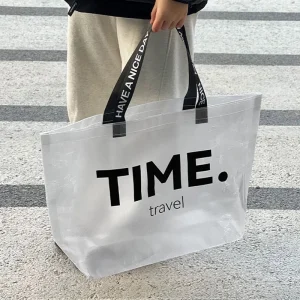
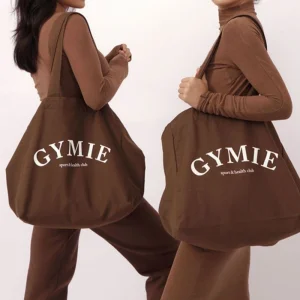
Explore our elite collection of sustainable packaging solutions engineered specifically to align with local regulatory frameworks and global environmental demands.
Under the visionary Leadership in Green Growth, Rwanda is leading Africa's transition to a plastic-free circular economy.
In 2008, the Government of Rwanda passed Law N°57/2008, which prohibited the manufacturing, use, importing, and sale of non-biodegradable polythene bags. This pioneering environmental stance positioned Rwanda as a global pioneer in sustainability. Over the last decade and a half, the city of Kigali has evolved into an innovation crucible, transforming how the fashion and retail industries approach packaging, storage, and utility bags. The national transition has stimulated a robust domestic market that relies heavily on reusable, biodegradable, and circular materials.
At Dongguan Fren Fashion Co., Ltd., we recognized early on that aligning with Rwanda's eco-infrastructure was not just a legal requirement but a massive strategic growth driver for our global partners. By leveraging the Kigali Special Economic Zone (KSEZ) and cooperating with local logistics models, we assist international brands in establishing secure supply chains of sustainable, heavy-duty bags. Whether your organization is targeting regional retail distribution in East Africa or shipping premium branded organic bags to North America and Europe, our processes are optimized for compliance and minimal carbon footprint.
Bridging the gap between high-capacity automated production and localized artisan craftsmanship.
We guarantee 100% adherence to EAC (East African Community) environmental guidelines, ensuring zero customs bottlenecks when shipping in and out of the region.
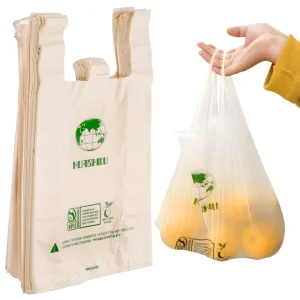
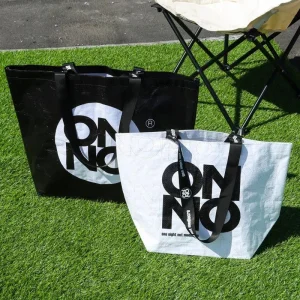
Access certified organic cotton (GOTS), post-consumer recycled PP woven fibers, biodegradable cornstarch blends, and regional natural fibers.
Combining the specialized material engineering from our Dongguan facility with regional deployment resources, offering flexible and large-volume fulfillment capabilities.
Global brands face strict pressures regarding Scope 3 carbon emissions and circular design requirements. Working with a verified supplier capable of routing materials through advanced pathways and executing localized final assembly in East Africa significantly mitigates compliance risk.
Unlock Custom Enterprise CataloguesEngineered to support regional wholesale markets, zero-waste corporate events, and high-street eco-fashion campaigns.
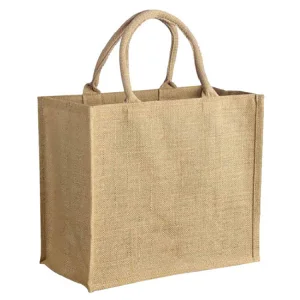
How we integrate global R&D with local manufacturing execution to pioneer high-performance sustainable bags.
The core bottleneck in sustainable bag procurement historically revolves around tensile strength, moisture resistance, and product lifetime. By leveraging advanced synthetic and natural hybrid formulations, we have systematically resolved these challenges. Our technical team works alongside key research laboratories in Dongguan and localized agricultural cooperatives in Kigali to introduce structural innovations.
Developing robust, plant-derived, biodegradable polymers using local cornstarch and manioc starches. This forms the foundation of our compostable product lines, matching the physical properties of traditional LDPE without the long-term ecological footprint.
Integrating agricultural byproducts such as banana pseudostem fibers and water hyacinth stalks from regional lakes into canvas and jute weaves, boosting tensile strength by up to 25% while maintaining custom textures.
Deploying energy-efficient ultrasonic bonding processes that remove chemical adhesives from non-woven bag lines. This step ensures that product disposal leaves zero toxic residue in regional landfills or commercial compost stations.
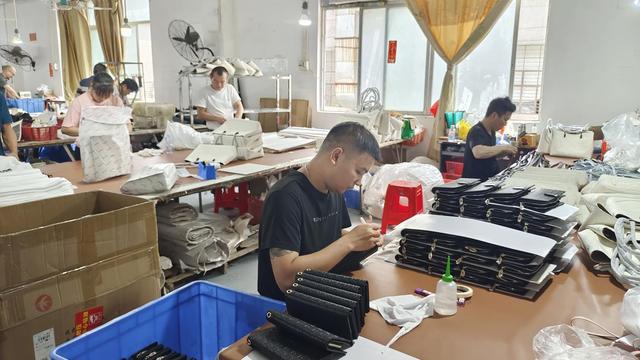
Dongguan Fren Fashion Co., Ltd. is a professional Handbag Manufacturer specializing in fashion bags, private label collections, and custom accessories solutions for global fashion brands, retailers, wholesalers, and sourcing companies. Located in Dongguan, China, the company focuses on the design, development, and production of high-quality handbags and fashion accessories that combine functionality, style, and market-driven trends.
With extensive experience in fashion manufacturing, Fren Fashion provides a comprehensive range of solutions covering fashion handbags, lifestyle accessories, premium bag collections, sustainable fashion products, private label development, OEM manufacturing, and ODM design services. The company works closely with customers to transform concepts into market-ready collections that align with brand positioning, target audiences, and evolving fashion demands.
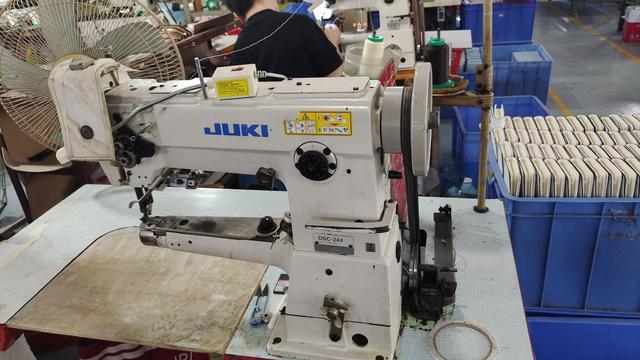
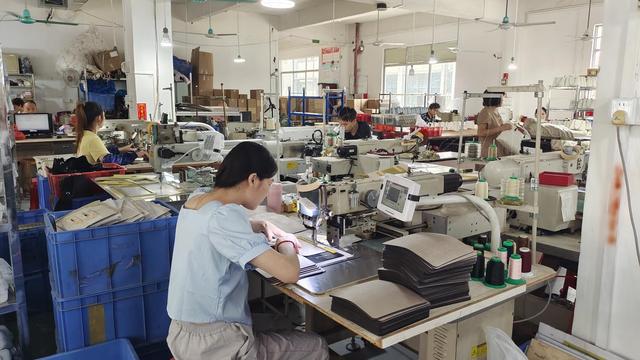
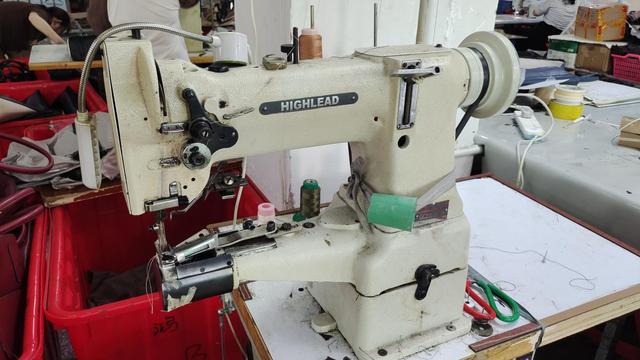
Fren Fashion places strong emphasis on craftsmanship, material selection, and production consistency. Its experienced design and product development teams continuously monitor international fashion trends and consumer preferences to support customers with innovative product concepts and customized solutions. From material sourcing and sample development to mass production and quality inspection, the company maintains a structured manufacturing process designed to ensure product reliability and visual appeal.
Equipped with modern production facilities and comprehensive quality management systems, Fren Fashion is committed to delivering products that meet international quality standards and customer expectations. The company offers flexible manufacturing capabilities that support both emerging fashion brands and established global retailers seeking scalable production solutions.
Serving customers across North America, Europe, Asia, the Middle East, South America, and other international markets, Dongguan Fren Fashion Co., Ltd. is dedicated to building long-term partnerships through dependable manufacturing, efficient project management, and responsive customer support. The company continues to help fashion businesses develop competitive handbag collections and custom accessories solutions for diverse global markets.
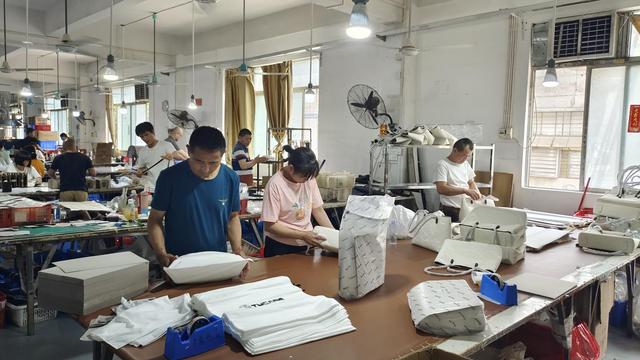
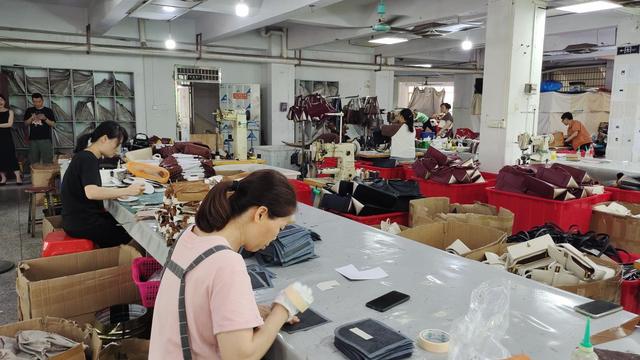
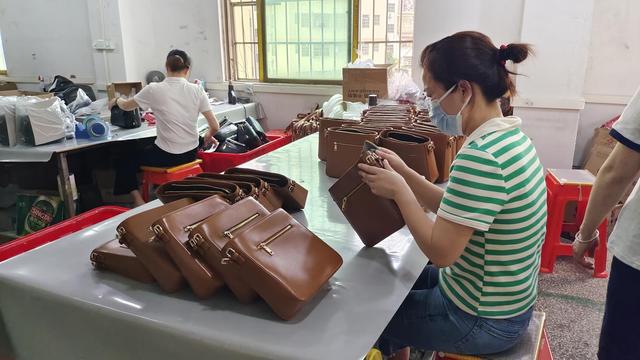
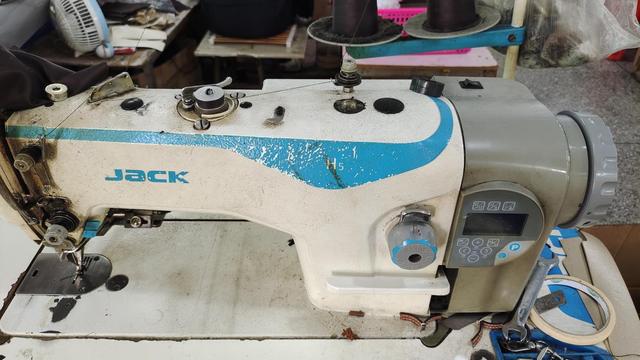
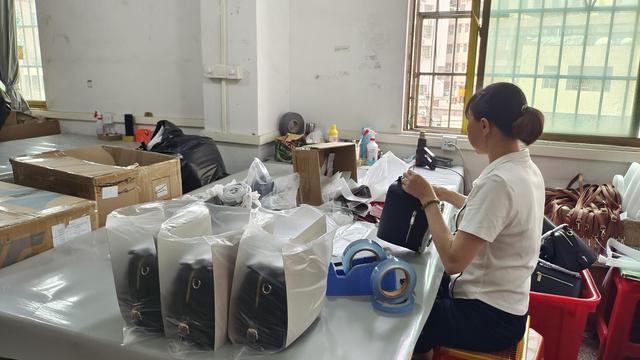
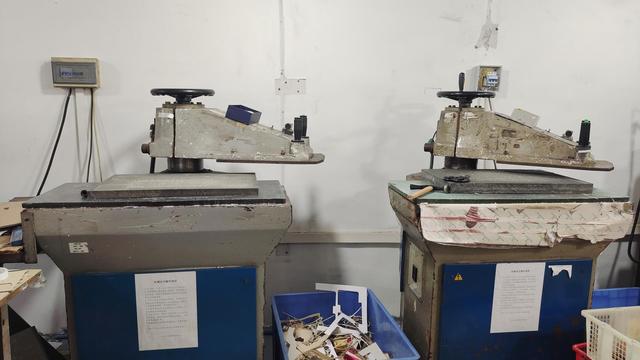
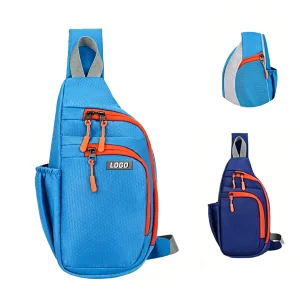
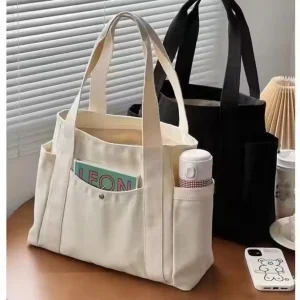
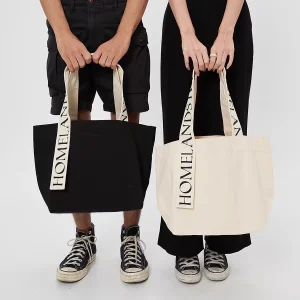
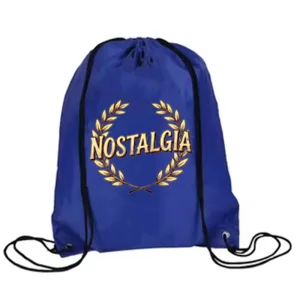
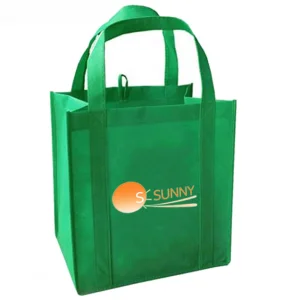
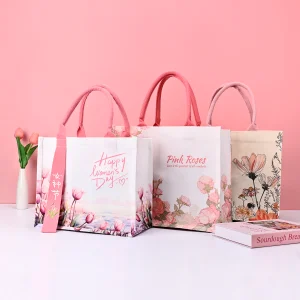
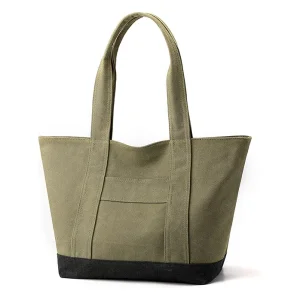
High-durability cotton canvas, specialized activewear, compostable t-shirt designs, and custom brandable carriers.
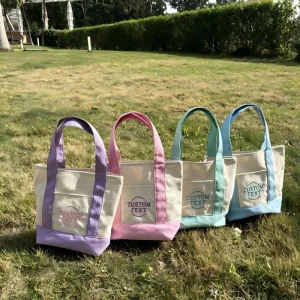
Managing trade processes smoothly through key certifications and trade agreements.
Global sustainable procurement is complex. We maintain a strong commitment to compliance across our entire logistics chain, assuring that the raw materials and bags you import are structurally sound and meet all regulatory requirements.
Our operation benefits from the African Continental Free Trade Area (AfCFTA) and AGOA (African Growth and Opportunity Act) protocols, optimizing tariffs when shipping from Rwanda to global economic centers. Concurrently, our manufacturing hubs hold certifications with international auditing standards: GOTS (Global Organic Textile Standard) for our organic cotton bag configurations, GRS (Global Recycled Standard) for post-consumer plastics, and BSCI / ISO 9001 certifications representing our ethical, quality-focused manufacturing environments.
Direct answers to complex inquiries from global operations managers and procurement specialists.
Ready to transition your packaging supply lines to sustainable solutions? Contact our sales team today to request free material samples, custom mockups, or formal pricing.
Send Inquiry Now Fren Fashion