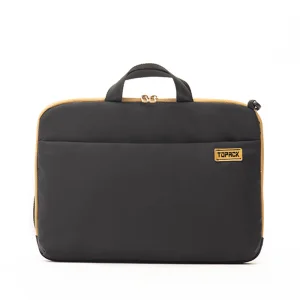
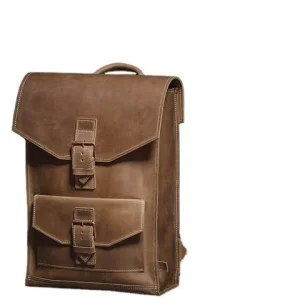
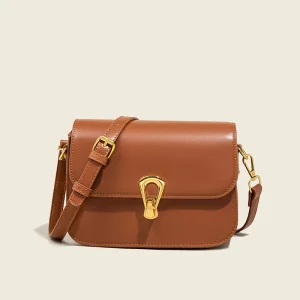
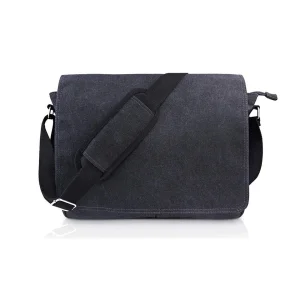
In the contemporary consumer goods ecosystem, the market for durable canvas bags has evolved from basic utility to a primary indicator of brand value, corporate sustainability compliance, and functional durability. Canvas—traditionally prized for its high tensile strength and resilience—is undergoing a rapid transformation. This is catalyzed by legislative shifts worldwide, notably the European Green Claims Directive and stricter state-level plastic bag prohibitions throughout North America. Consequently, procurement heads in the logistics, promotional marketing, high-street retail, and heavy industrial sectors are transitioning to high-grade canvas alternatives to manage ESG risk and build long-term value.
As global enterprises search for reliable OEM and custom canvas bag factories, they face complex technical specifications. Durable canvas is not a singular material. It is a spectrum of woven textiles requiring precision chemical treatments, strict denier counts, and optimized cotton-poly blends to withstand industrial usage. This B2B guide analyzes the key requirements of international canvas product development, identifying the critical engineering processes, geographic manufacturing benefits, and key supply chain practices that define industry leaders.
Global corporations must align sourcing strategies with strict environmental directives. Our supply chains focus heavily on GOTS (Global Organic Textile Standard) and GRS (Global Recycled Standard) options to ensure full regulatory alignment.
Utilizing plain-weave duck canvas starting from 12 oz. up to 24 oz., optimized with reinforced double-needle lockstitches to handle load capacities from 15kg to over 50kg for extreme industrial applications.
Integration of fluorocarbon-free Durable Water Repellent (DWR) coatings, polyurethane (PU) backing layers, and natural paraffin wax treatments for weatherproof performance and aging characteristics.
Dongguan Fren Fashion Co., Ltd. is a professional Handbag Manufacturer specializing in fashion bags, private label collections, and custom accessories solutions for global fashion brands, retailers, wholesalers, and sourcing companies. Located in Dongguan, China, the company focuses on the design, development, and production of high-quality handbags and fashion accessories that combine functionality, style, and market-driven trends.
With extensive experience in fashion manufacturing, Fren Fashion provides a comprehensive range of solutions covering fashion handbags, lifestyle accessories, premium bag collections, sustainable fashion products, private label development, OEM manufacturing, and ODM design services. The company works closely with customers to transform concepts into market-ready collections that align with brand positioning, target audiences, and evolving fashion demands.
Fren Fashion places strong emphasis on craftsmanship, material selection, and production consistency. Its experienced design and product development teams continuously monitor international fashion trends and consumer preferences to support customers with innovative product concepts and customized solutions. From material sourcing and sample development to mass production and quality inspection, the company maintains a structured manufacturing process designed to ensure product reliability and visual appeal.
Equipped with modern production facilities and comprehensive quality management systems, Fren Fashion is committed to delivering products that meet international quality standards and customer expectations. The company offers flexible manufacturing capabilities that support both emerging fashion brands and established global retailers seeking scalable production solutions.
Serving customers across North America, Europe, Asia, the Middle East, South America, and other international markets, Dongguan Fren Fashion Co., Ltd. is dedicated to building long-term partnerships through dependable manufacturing, efficient project management, and responsive customer support. The company continues to help fashion businesses develop competitive handbag collections and custom accessories solutions for diverse global markets.
Below is a visual overview of our advanced production lines, materials testing labs, finished components, and processing facilities located in our Dongguan manufacturing campus:
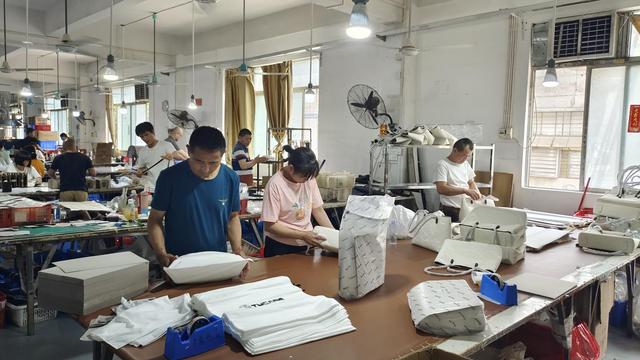
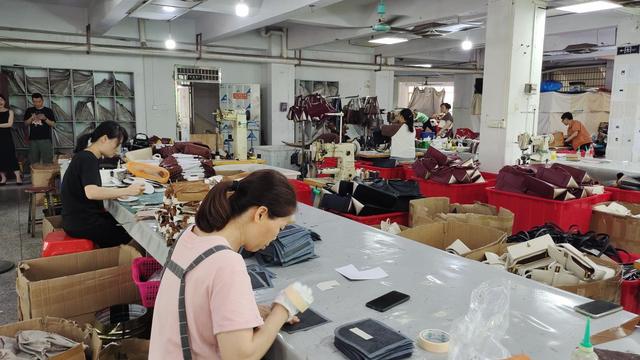
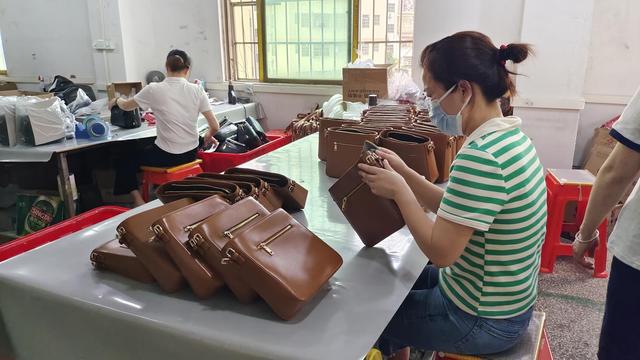
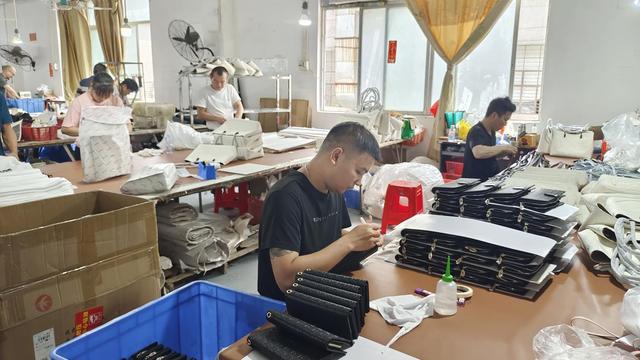
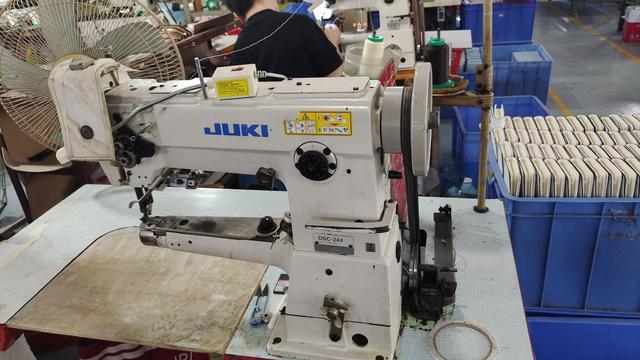
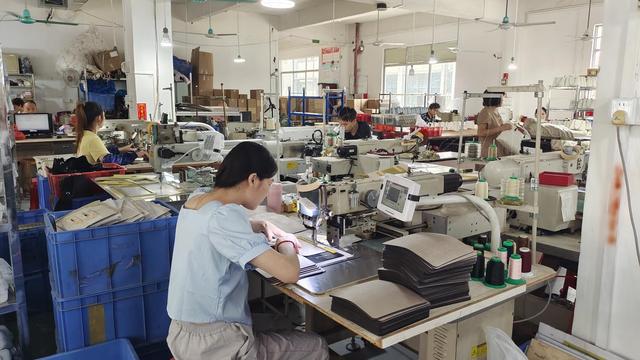
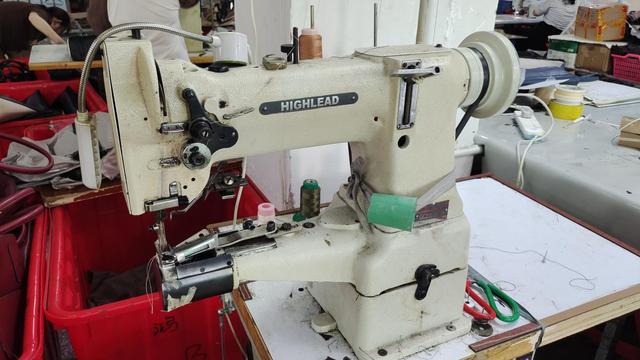
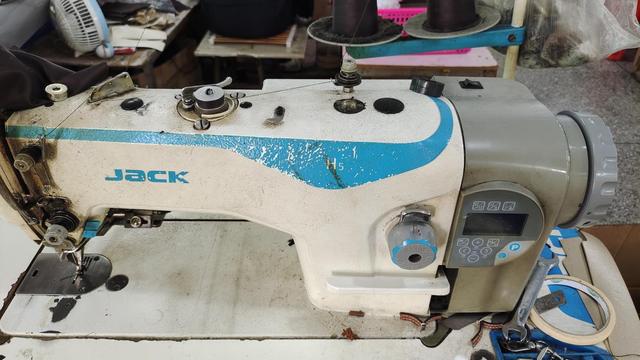
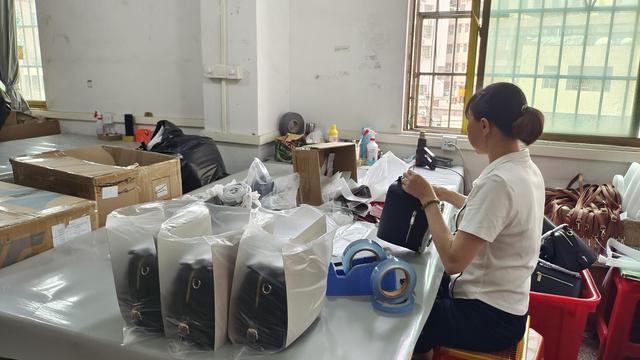
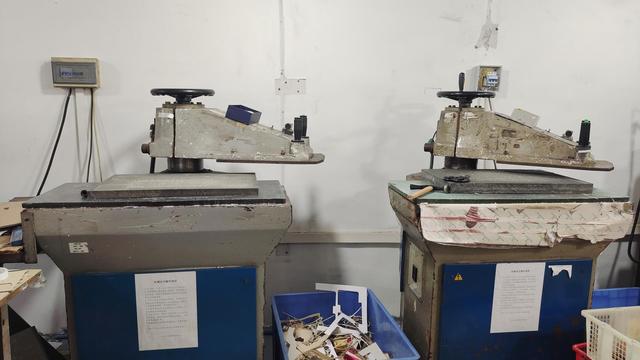
Deploying automation, lean manufacturing paradigms, and rigorous testing frameworks to ensure consistent performance metrics.
When specifying a canvas product line, product teams must evaluate the underlying fiber composition and weave density. The performance of heavy-duty canvas bags depends on these mechanical characteristics:
The density of canvas is internationally designated by weight, either in ounces per square yard (oz) or grams per square meter (GSM). While standard retail tote bags utilize light 6 oz. to 8 oz. canvas, true commercial-grade bags require fabrics from 12 oz. (406 GSM) up to 24 oz. (813 GSM).
"Duck Canvas" (from the Dutch word doek) features a tighter, plain-weave construction with dual warp yarns woven parallel to single weft yarns. This specific structure delivers exceptional puncture and tear resistance, making it suitable for transporting heavy hand tools, industrial components, and premium retail items.
Raw cotton canvas is highly hydrophilic, meaning it absorbs water and environmental oils easily. To maintain longevity, premium manufacturers apply technical finishes:
Selecting the appropriate bag construction depends on its targeted application. The design specifications must match the usage profile of the end-user:
Requires lightweight 10oz canvas, soft cotton webbing handles, and digital direct-to-garment (DTG) printing. Focuses on lightweight design and precise corporate color matching.
Demands 18oz to 24oz double-fill duck canvas, zinc-alloy riveted stress points, and molded plastic bases. Designed to carry heavy equipment in wet field environments.
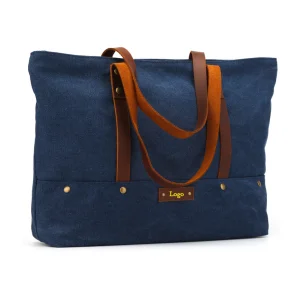
Utilizes custom enzyme-washed canvas with high-grade metal accents, top-grain leather straps, and inner magnetic snap closures to deliver a premium retail aesthetic.
Managing quality across large production volumes requires strict statistical control. High-performing Chinese factories utilize the Acceptable Quality Limit (AQL) system, typically setting limits at AQL 1.5 for critical defects and AQL 2.5 for major functional issues. This methodology guarantees that mass shipments arrive at international distribution centers without unexpected defects in stitching, dimension variance, or print registration.
This reference guide helps global procurement officers and sourcing managers answer technical production questions when ordering custom canvas bag lines.
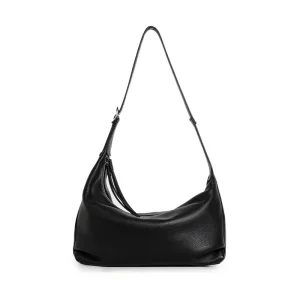
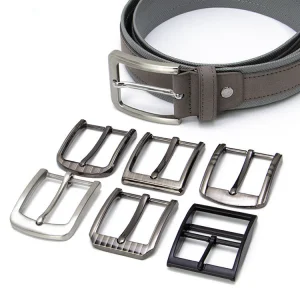

 Fren Fashion