Fren Fashion
1 / 5
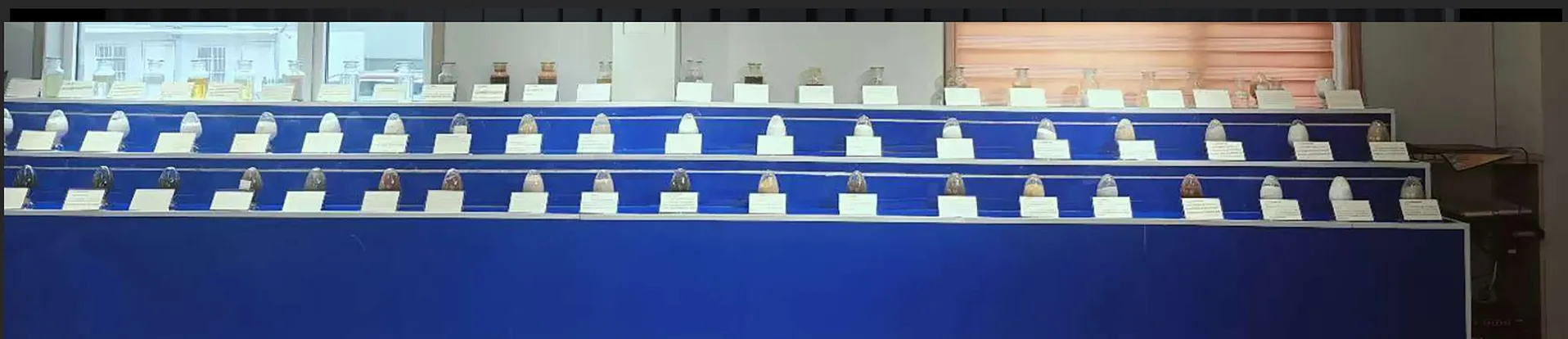
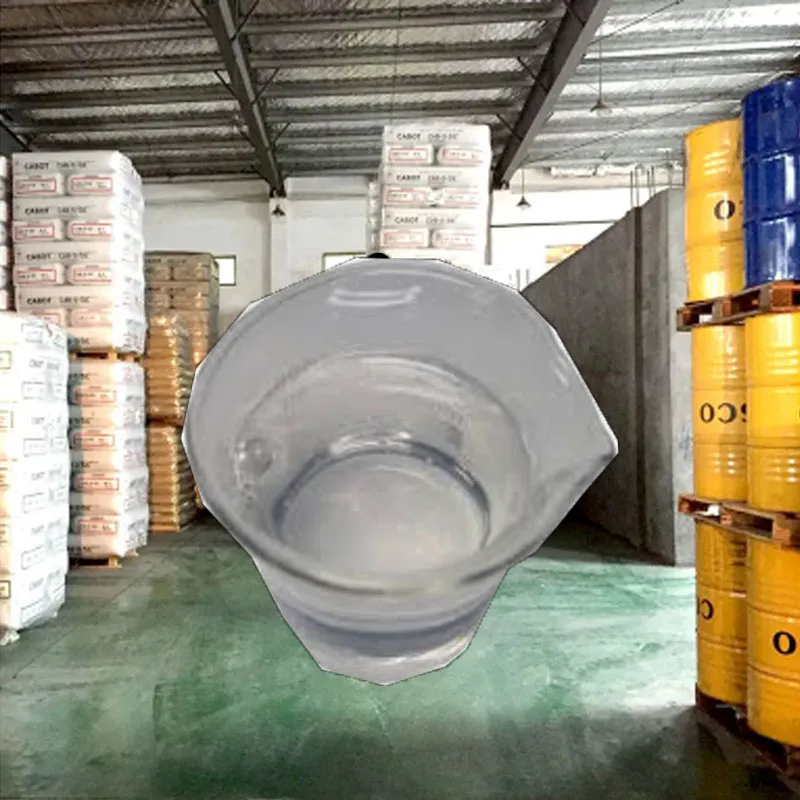
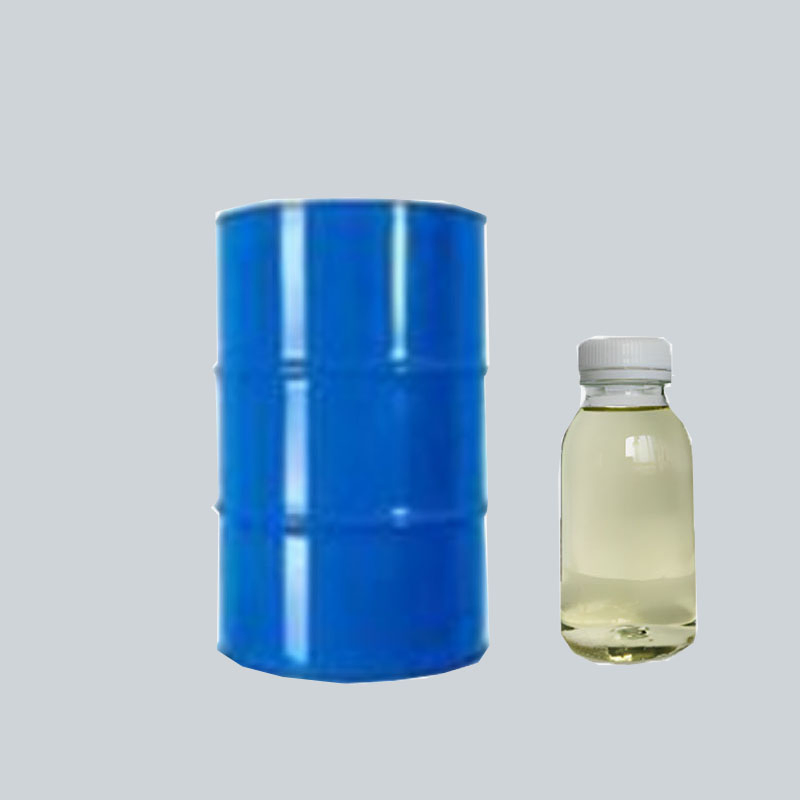
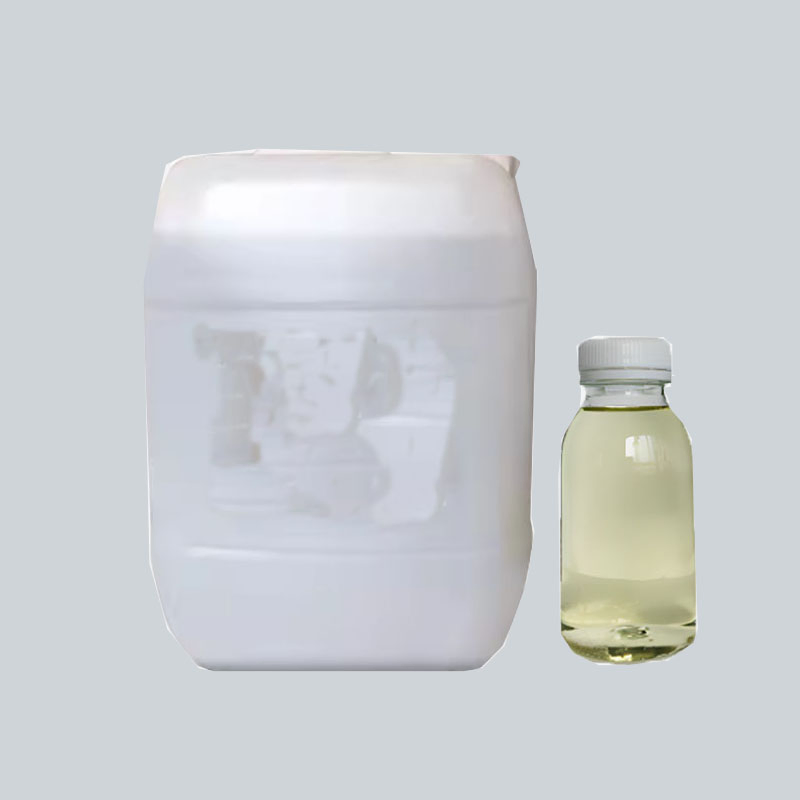
The neutral scale remover comprises polycarboxylic compounds with complexing, cleaning, and dispersing properties, organophosphonates, and dispersants. It effectively combines complexation, removal, cleaning, and excellent dispersibility against scales. Its main mechanism involves chelation and dispersion to detach and disperse scale deposits into water, minimizing equipment and accessory damage without causing over-cleaning due to excessive dosage or extended cleaning times, and unaffected by harmful ions such as iron and copper. The product offers stable performance, minimal influence by field conditions, and excellent compatibility with other additives.
Oil and gas drilling fluids: Suitable for optimization in drilling processes and downhole operations, ensuring efficiency and scaling prevention in complex environments.
Implementation Standards: Q/029WD 1209-2024
| Item | Specification | |
|---|---|---|
| Calcium carbonate scale remover FCS-SRE | Barium and strontium scale remover FCS-SRD | |
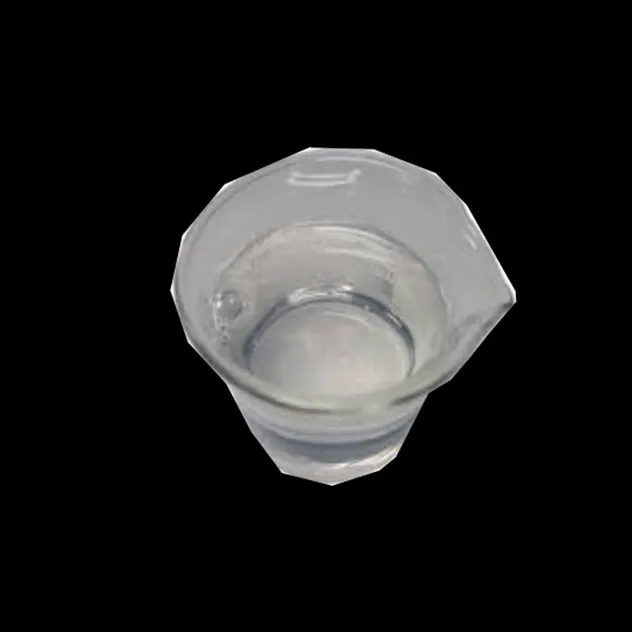
| Appearance | Colorless to pale-yellow homogeneous liquid | |
| Solubility | Soluble in water and saline water | |
| pH value (original solution) | ≥7 | |
| Calcium carbonate scale dissolution capacity (80°C, 10%, 100 mL), g | ≥2.5 | --- |
| Barium sulfate scale dissolution capacity (80°C, 10%, 100 mL), g | --- | ≥12 |
| Organic Content, % | 0.0 | |
| 0.0 | ||
Used to remove radioactive metal oxides (such as oxides containing iron, nickel, and chromium) from nuclear reactor cooling systems. This technology, known as LOMI (Low Oxidation State Metal Ion Reagent), effectively reduces radiation dose levels.
Specifically designed to dissolve and remove complex inorganic scale formed in extraction equipment, pipelines, and wellbores, especially challenging barium sulfate/strontium/radium scale, which sometimes contains naturally occurring radioactive materials (NORMs), making descaling and subsequent treatment very difficult.
Used to prevent and remove hard scale such as calcium carbonate and calcium sulfate from the heat exchange surfaces of heat exchangers, boilers, cooling towers, etc., to ensure heat transfer efficiency and prevent equipment blockage.
For example, treating circulating water systems used in steelmaking slag hot quenching processes. These systems are characterized by high pH and high hardness, making them prone to scaling. Complexing descaling agents can effectively solve the problem of pipe and nozzle blockage.