High-performance manufacturing solutions blending raw material functionality, sustainable supply networks, and pristine craftsmanship.
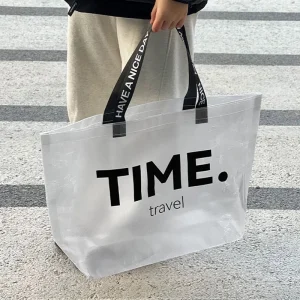
How leading Chinese bag manufacturers are adapting to global trade policies, industrial restructuring, and materials science innovations.
In the contemporary consumer goods sector, everyday use bags are no longer treated as simple utility carriers. Instead, they represent a convergence of material engineering, lifestyle aesthetics, and sustainability initiatives. With the global luggage and bag market experiencing rapid transformation, manufacturers in China are spearheading a structural shift from low-cost labor paradigms toward high-value, tech-enabled ODM and OEM services.
Industrial supply chains now prioritize dynamic adaptability. Leading factories must implement processes that satisfy a multi-dimensional matrix of regulatory frameworks (such as Europe’s Corporate Sustainability Due Diligence Directive and North America’s supply chain traceability rules). This has triggered massive R&D investments in raw material circularity, eco-solvent coatings, and fully transparent assembly networks.
A Deep Case Study on Precision Engineering, OEM/ODM Adaptability, and Cross-Border Sourcing Standards.
Strict adherence to REACH, RoHS, and California Proposition 65 chemical management regulations. Integrated Quality Control checks at every stage, including raw fabric, in-line stitching, hardware tensile strength, and packing.
Offering end-to-end concept-to-product mapping. CAD design services, physical sample prototyping, custom metal and plastic hardware fabrication, and branded packaging development designed for global retail delivery.
Strategic focus on recycled canvas, GRS-certified cotton, water-resistant PP woven structures, biodegradable PVC, and premium vegan leather (PU) alternatives to reduce global environmental impact.
Navigating trade barriers, intellectual property rights, and quality certifications for international fashion chains and retailers.
Global sourcing involves traversing diverse compliance environments. Dongguan Fren Fashion Co., Ltd. addresses this challenge by providing direct localized support, which aligns testing protocols with target market standards (such as EN71 in the European Union and ASTM in the United States). By performing strict laboratory validation on hardware anti-rust performance, fabric colorfastness, and stitching load limits, the company reduces post-sale risks for retail buyers.
Furthermore, supply chain security is bolstered by comprehensive documentation. From country-of-origin documentation (CoO) to detailed bills of materials (BoM) and chemical compliance audits, domestic and international regulatory boards receive transparent logs. This approach minimizes customs clearance delays and ensures streamlined importing.
As ESG (Environmental, Social, and Governance) mandates become standard operating requirements rather than optional marketing points, Fren Fashion integrates certified materials into the design phase. By sourcing organic cotton, recycled canvas, and recyclable PP woven fabrics, they enable fashion brands to confidently state their eco-credentials. Such compliance measures safeguard brands from allegations of greenwashing and appeal to the modern eco-conscious consumer base.
Mapping product functionality to diverse real-world consumer demands and modern lifestyles.
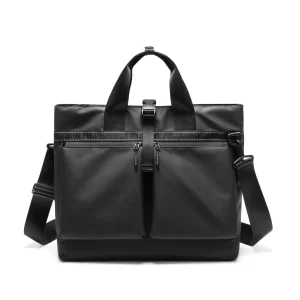
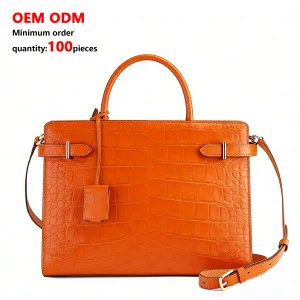
Demands dedicated waterproof compartments for laptops, tablets, and charging blocks. Aesthetic lines remain clean, minimal, and highly professional, utilizing materials such as water-resistant canvas, structured PU leather, and nylon fabrics.
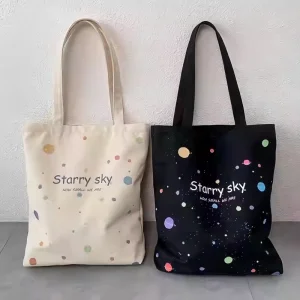
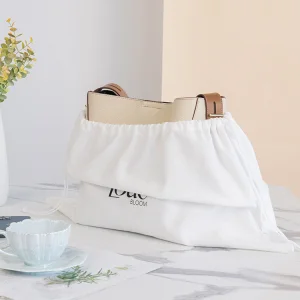
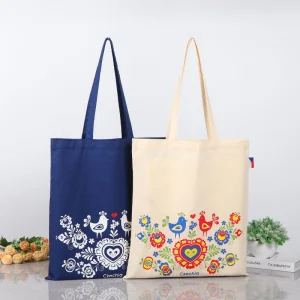
Requires lightweight, collapsible, and high-capacity bags. Recycled canvas, cotton pouches, and laminated PP woven structures excel here, combining large branding surfaces with durable construction to handle load weights of over 15kg.
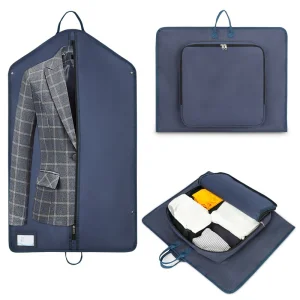
Focuses on cross-body utility bags, travel garment storage sleeves, and secure anti-theft designs. Suit tote bags with hanging structures keep apparel uncreased during cross-border flights and long transits.
Integrating smart technologies, structural optimizations, and sustainable design methodologies over the next decade.
Deploying non-toxic, fluorine-free water repellent coatings that guarantee waterproofing without environmental degradation. Implementing natural anti-microbial properties into cotton linings for everyday sanitization.
Transitioning to zero-waste production lines where synthetic offcuts are collected, pelletized, and spun back into new fibers. Partnering with localized recycling entities to collect post-consumer products.
Integrating NFC chips or unique QR codes into the structural seams of premium private labels. This enables consumers and regulatory checkers to trace the exact origin of the materials from farm to finished product.
Visualizing our raw material stores, automated stitching equipment, clean assembly lines, and diverse fashion collections.
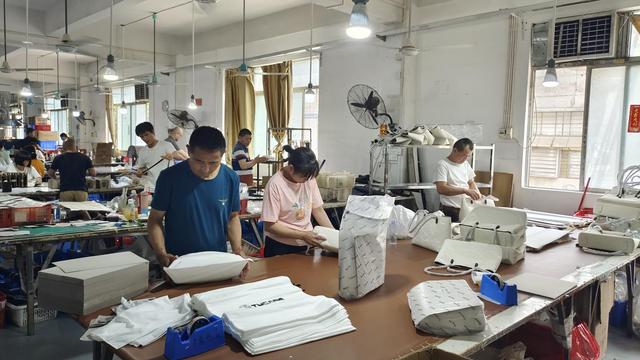
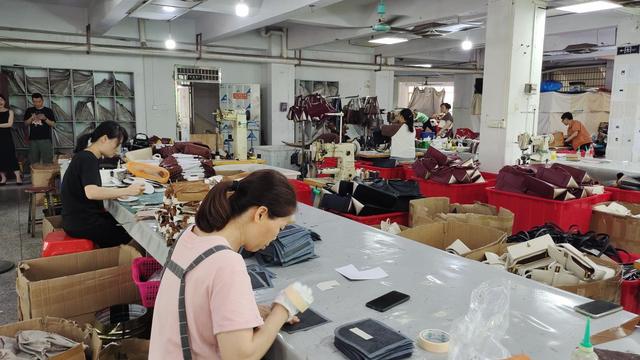
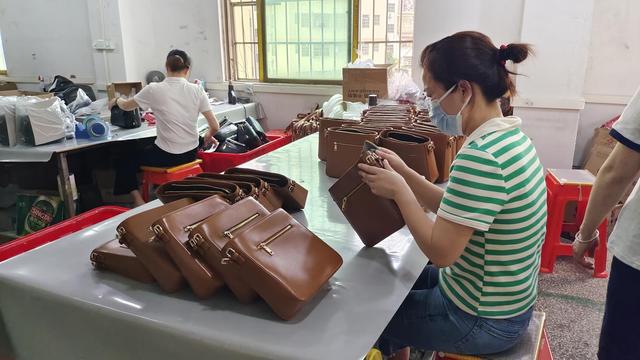
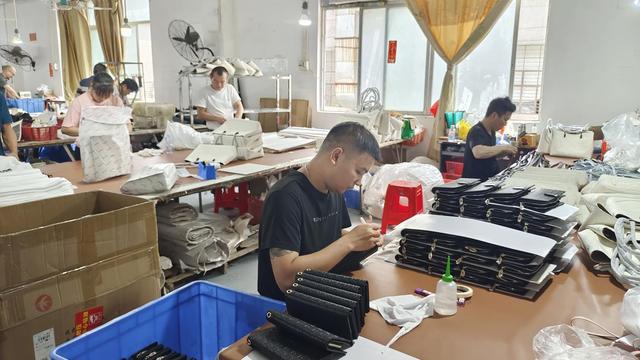
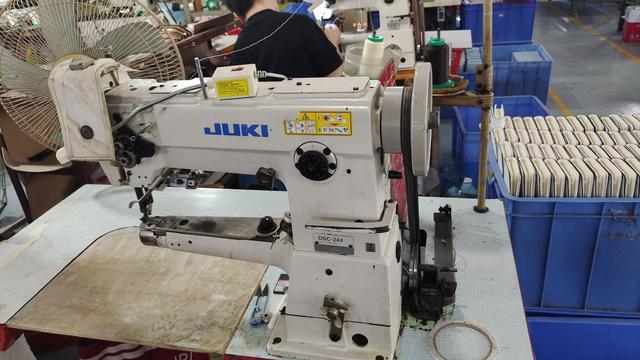
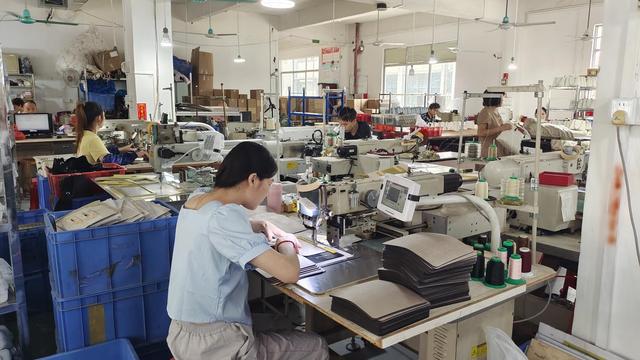
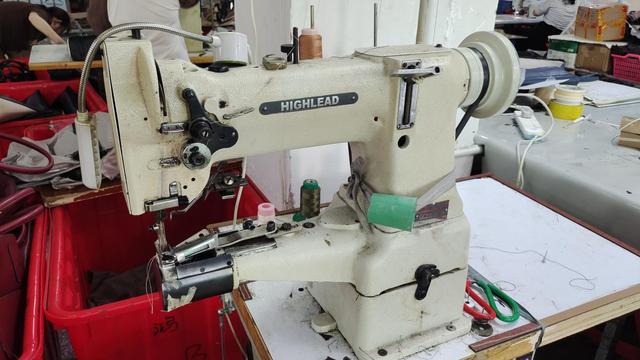
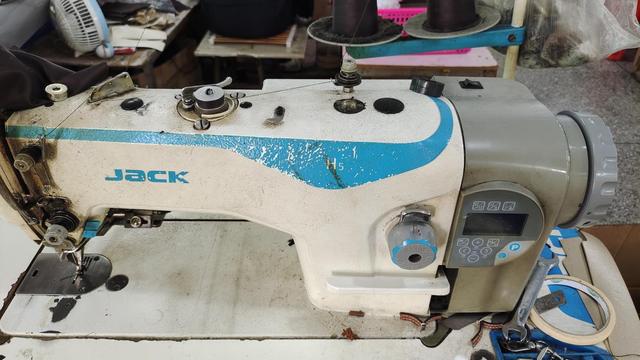
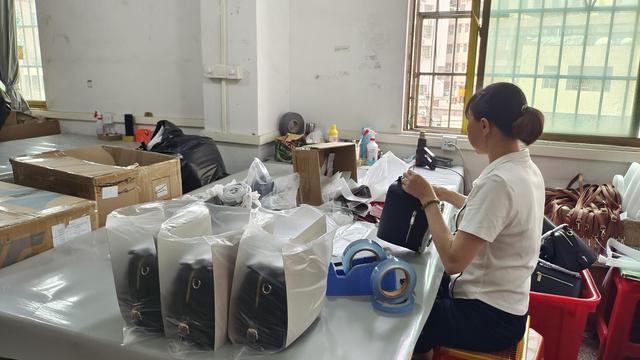
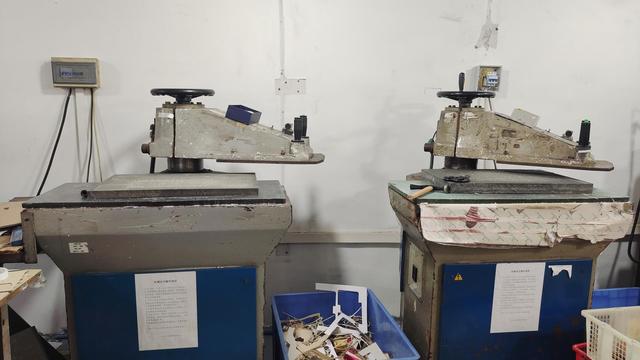
Crucial manufacturing, shipping, and quality assurance answers for global sourcing procurement agents.
Typical custom fabrication orders range from 500 to 1,000 units per style, depending on fabric selections and custom hardware requirements. Higher quantities generally lower per-unit tooling and printing costs, particularly for bespoke metal hardware or customized dyed fabrics.
We follow a three-stage quality control protocol: Incoming Quality Control (IQC) tests raw materials for colorfastness and tensile strength; In-Process Quality Control (IPQC) monitors stitching precision on the assembly floor; and Final Quality Control (FQC) inspects structural dimensions and aesthetics before packing.
We prioritize working with certified material channels, supporting standards like the Global Recycled Standard (GRS) for recycled canvas and RPET fabrics, OEKO-TEX Standard 100 for chemical-safe textiles, and BSCI-registered manufacturing platforms to verify ethical labor and environmental stewardship.
Bespoke sample prototyping is usually completed within 7 to 10 working days, depending on material availability. Bulk manufacturing lead times generally range between 30 and 45 days after deposit confirmation and sample approval, though schedules may vary based on order complexity and order queues.
Yes. We offer design adaptation and custom branding solutions. Logo options include screen printing, heat transfer, high-density embroidery, debossed leather patches, and custom-engraved metal zippers or hardware.
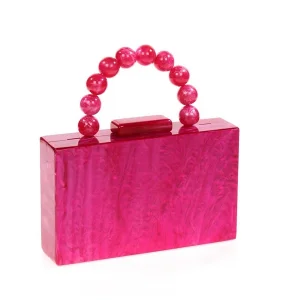
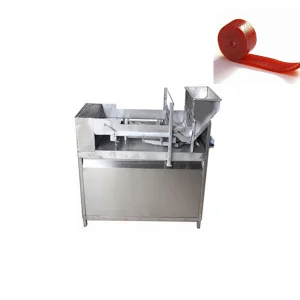
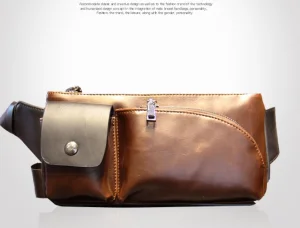
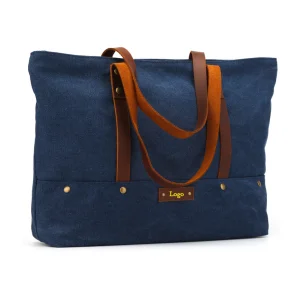
From luxury clutches to industrial machinery, we accommodate a wide range of global product designs and production needs.
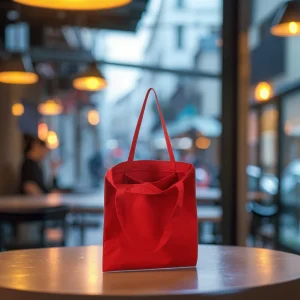
 Fren Fashion