High-performance eco-friendly bag portfolios designed for the Thai consumer market, agricultural sector, and industrial parks.
Thailand is undergoing a profound environmental paradigm shift, spearheaded by the government's visionary Bio-Circular-Green (BCG) Economy Model. This national initiative elevates environmental protection to a core economic driver, accelerating the phase-out of traditional single-use plastic bags. Global businesses, local retail conglomerates, and heavy industries operating in Thailand's industrial zones (such as Map Ta Phut and the Eastern Economic Corridor) are systematically transitioning to certified eco-friendly bag solutions. This shift creates a massive demand for reliable, large-scale factories and suppliers capable of delivering certified sustainable packaging and industrial filtration systems.
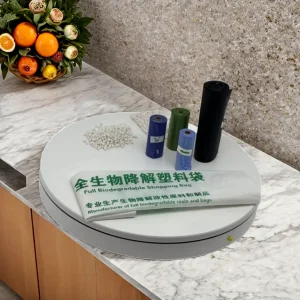
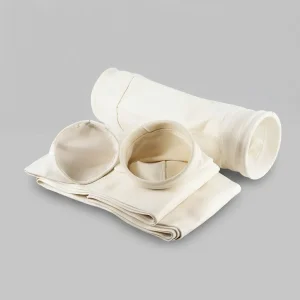
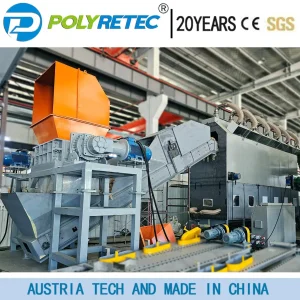
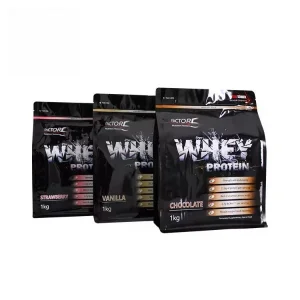
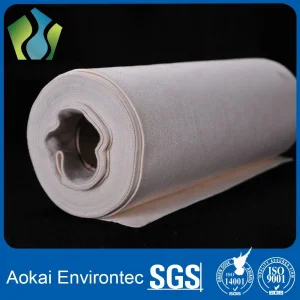
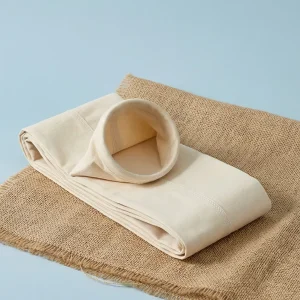
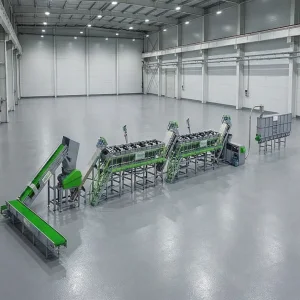
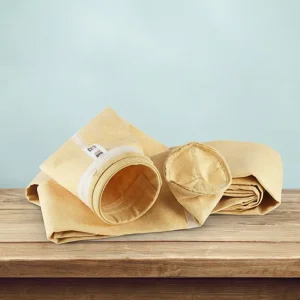
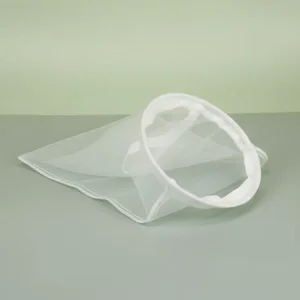
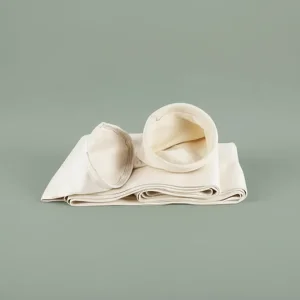
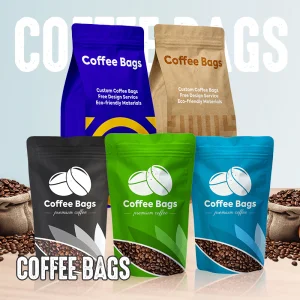
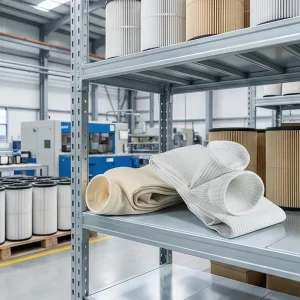
In response to this transition, the Thai market has bifurcated into two major needs: **High-Performance Consumer & Retail Packaging** (compostable shopping bags, flat-bottom coffee pouches, biodegradable takeout options) and **Industrial Grade Clean-Air and Water Filtration Solutions** (such as specialized dust collector bags, Nomex filtration cells, and non-water recycling machinery). For multinational corporations importing goods from or exporting to Thailand, maintaining strict compliance with local environmental standards and the Ministry of Industry guidelines is no longer optional—it is a critical pillar of market survival.
Navigating the regulatory landscape in Thailand requires compliance with the **Thai Industrial Standards Institute (TISI)** regulations. Suppliers targeting this region must possess international certifications such as **TUV OK Compost Home/Industrial, EN 13432, ASTM D6400, and FDA food-grade certification**. Without these verifications, retail and industrial projects face significant delays at customs and fail corporate ESG audits. Modern eco-friendly bag solutions are engineered to withstand the unique climatic factors of Southeast Asia—specifically, high ambient humidity and elevated temperatures—which can trigger premature degradation in poorly designed bioplastics.
Heavy-duty filtration, agricultural safety, and advanced brand custom layouts for complex Thai industrial requirements.
To meet the rising demands of sustainable procurement in Thailand, the synergy between Chinese high-precision manufacturing and localized Southeast Asian logistics is highly beneficial. Global enterprises require flexible production scaling, robust material sourcing, and reliable quality inspections. Dongguan Fren Fashion Co., Ltd. fills this gap by utilizing its advanced production setups to supply tailored, durable, and biodegradable bag formats directly to Thai distributors, packaging plants, and retail centers.
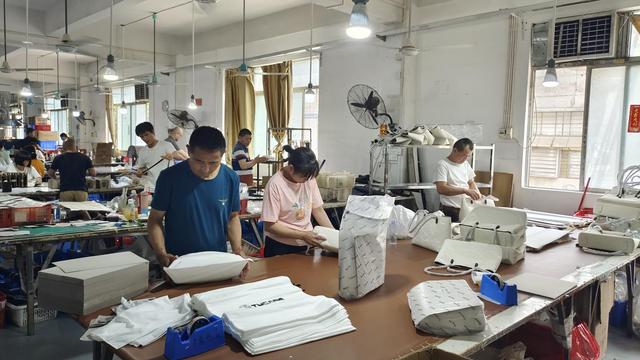
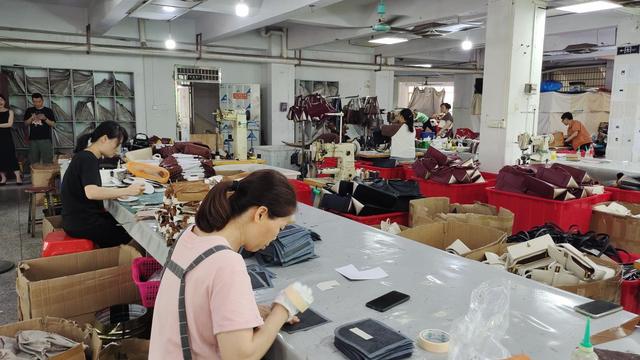
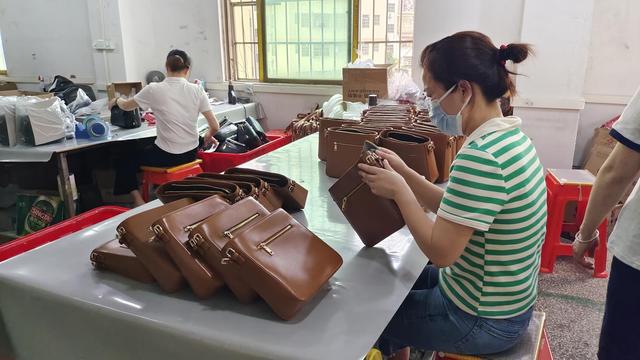
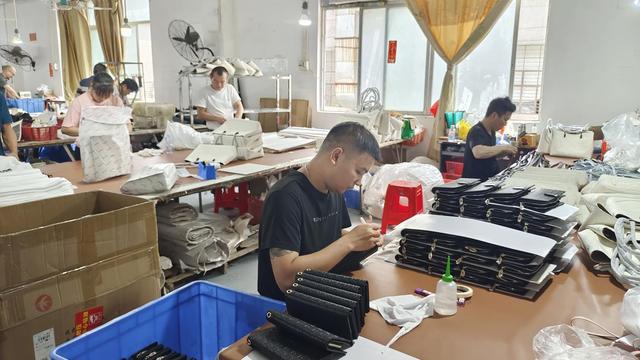
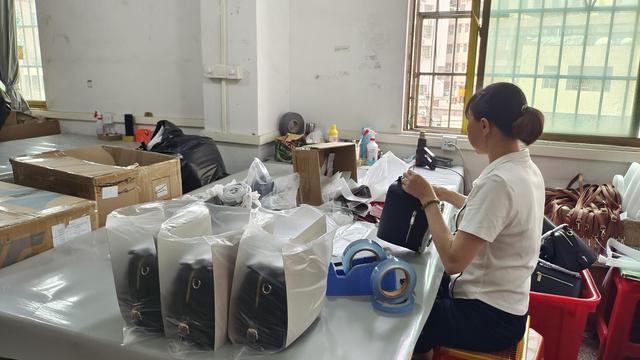
Dongguan Fren Fashion Co., Ltd. is a professional Handbag Manufacturer specializing in fashion bags, private label collections, and custom accessories solutions for global fashion brands, retailers, wholesalers, and sourcing companies. Located in Dongguan, China, the company focuses on the design, development, and production of high-quality handbags and fashion accessories that combine functionality, style, and market-driven trends.
With extensive experience in fashion manufacturing, Fren Fashion provides a comprehensive range of solutions covering fashion handbags, lifestyle accessories, premium bag collections, sustainable fashion products, private label development, OEM manufacturing, and ODM design services. The company works closely with customers to transform concepts into market-ready collections that align with brand positioning, target audiences, and evolving fashion demands.
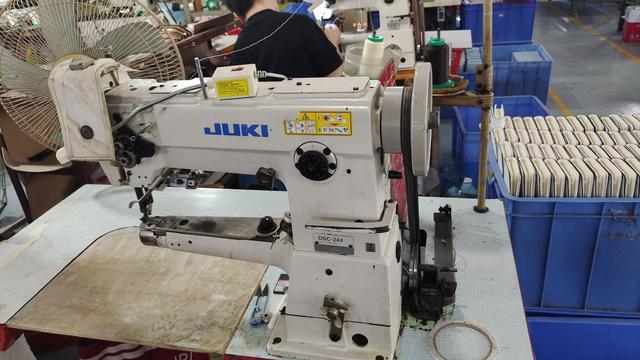
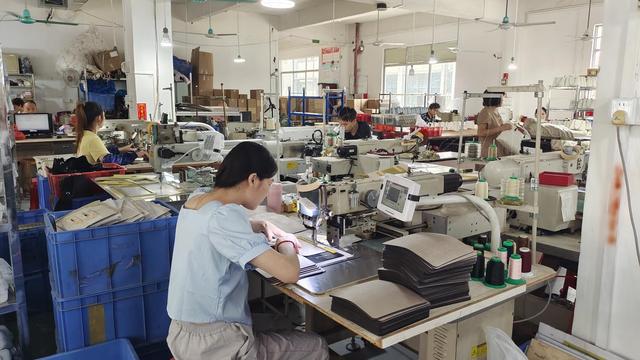
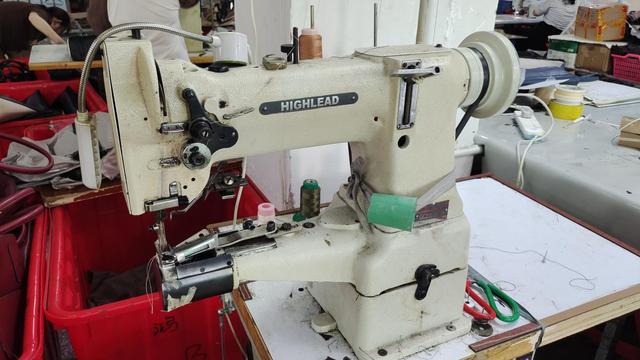
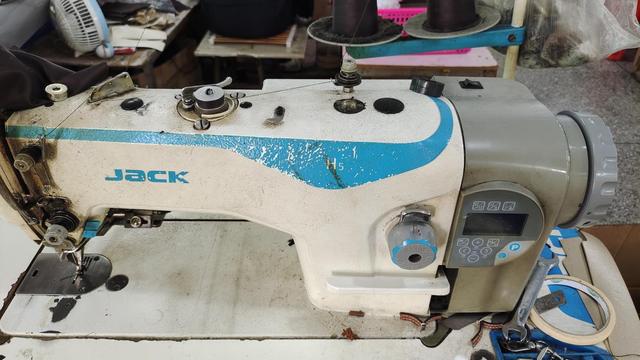
Fren Fashion places strong emphasis on craftsmanship, material selection, and production consistency. Its experienced design and product development teams continuously monitor international fashion trends and consumer preferences to support customers with innovative product concepts and customized solutions. From material sourcing and sample development to mass production and quality inspection, the company maintains a structured manufacturing process designed to ensure product reliability and visual appeal.
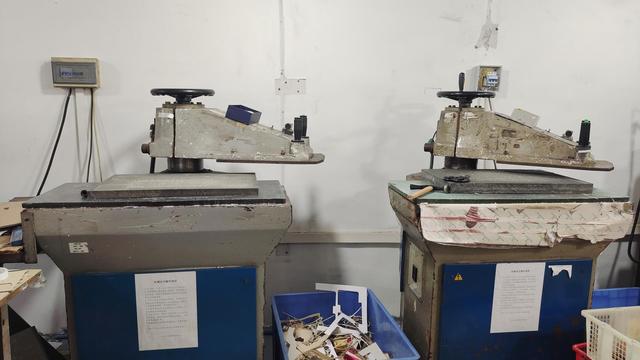
Equipped with modern production facilities and comprehensive quality management systems, Fren Fashion is committed to delivering products that meet international quality standards and customer expectations. The company offers flexible manufacturing capabilities that support both emerging fashion brands and established global retailers seeking scalable production solutions.
Serving customers across North America, Europe, Asia, the Middle East, South America, and other international markets, Dongguan Fren Fashion Co., Ltd. is dedicated to building long-term partnerships through dependable manufacturing, efficient project management, and responsive customer support. The company continues to help fashion businesses develop competitive handbag collections and custom accessories solutions for diverse global markets.
Sustainable packaging needs to be customized to perform optimally under specific local conditions. In Thailand, specialized application scenarios dictate material chemistry and structural designs:
The next generation of eco-friendly packaging shifts focus toward advanced circularity. This includes using zero-water washing machinery to clean post-industrial plastic waste, and using renewable resins like PLA (Polylactic Acid) and PBAT (Polybutylene adipate terephthalate) sourced from local starch and sugarcane. By processing feedstock through high-output manufacturing hubs in China, suppliers can offer competitive bulk rates while meeting strict regional and international environmental standards.
Explore our complete range of certified biodegradable packaging, specialized industrial filter designs, and high-performance clean air components.
 Fren Fashion