The port city of Chittagong (Chattogram) stands as the gateway to Bangladesh’s booming export economy, driving over 90% of the country’s international trade. With global buyers seeking diversification away from saturated supply hubs, Chittagong’s Special Economic Zones (SEZs) and Export Processing Zones (EPZs) have emerged as primary destinations for leather goods manufacturing and exporting. However, local exporters face structural challenges: sourcing reliable raw synthetic materials, adopting eco-friendly production systems, and upgrading manual machinery to computerized automation.
To capture premium Western markets, Chittagong manufacturers are forming strategic partnerships with leading Chinese industrial hubs. Cities like Dongguan, recognized globally for advanced fashion apparel, high-precision metal stamping, and synthetic material chemistry, play a critical role in supplying the technology, machinery, and specialty textiles required to power Chittagong's production lines. This cross-border alliance is vital for transforming Chittagong from a raw hide exporter into a value-added, high-tech finished goods hub.
The Chittagong leather goods sector is undergoing a profound paradigm shift. Historically centered on primary tanning, the regional industry is rapidly transitionary, adapting to satisfy strict global demands for finished goods, such as utility backpacks, high-performance safety footwear, fashion-forward luggage, and precision-engineered apparel.
1. Logistical Connectivity: Chittagong Port’s proximity to key shipping lanes gives it an edge. When combined with fast-tracked customs clearance inside the CEPZ (Chittagong Export Processing Zone), exporters can significantly compress their lead times.
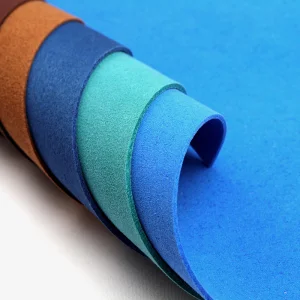
2. Synthetic vs. Genuine Leather Shift: As global brands emphasize animal welfare and carbon neutral footprints, the demand for high-grade Polyurethane (PU) synthetic leather, plant-based alternative fibers, and high-color-fastness microfiber suede has skyrocketed. Sourcing these base cloths with consistent quality remains a top priority for local factories.
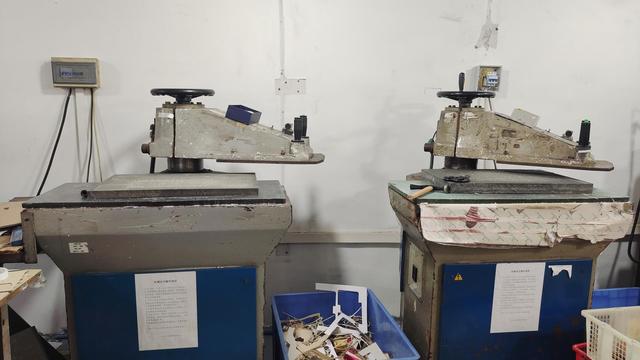
3. The Need for Mechanical Precision: Local workshops are shifting from manual cutting presses to advanced CNC knife cutters and multi-station hot forming machines to lower material waste and ensure consistent structural stitching.
Dongguan Fren Fashion Co., Ltd. is a professional Handbag Manufacturer specializing in fashion bags, private label collections, and custom accessories solutions for global fashion brands, retailers, wholesalers, and sourcing companies. Located in Dongguan, China, the company focuses on the design, development, and production of high-quality handbags and fashion accessories that combine functionality, style, and market-driven trends.
With extensive experience in fashion manufacturing, Fren Fashion provides a comprehensive range of solutions covering fashion handbags, lifestyle accessories, premium bag collections, sustainable fashion products, private label development, OEM manufacturing, and ODM design services. The company works closely with customers to transform concepts into market-ready collections that align with brand positioning, target audiences, and evolving fashion demands.
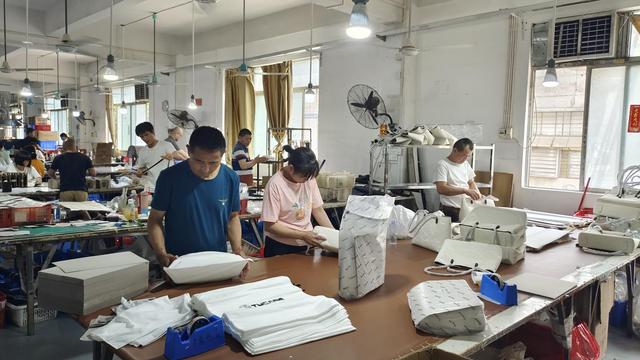
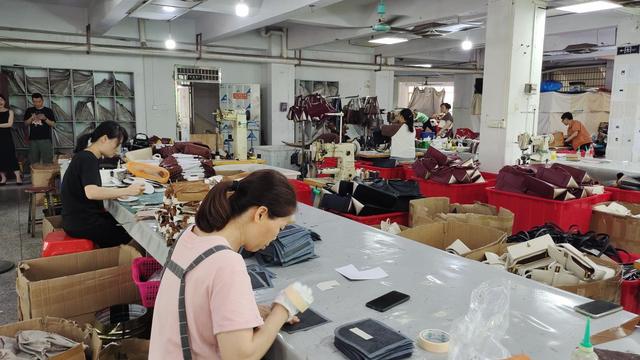
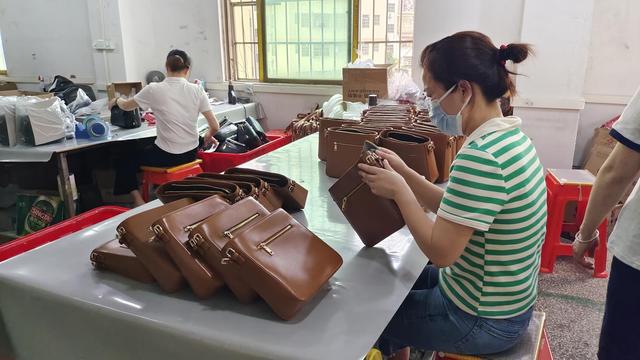
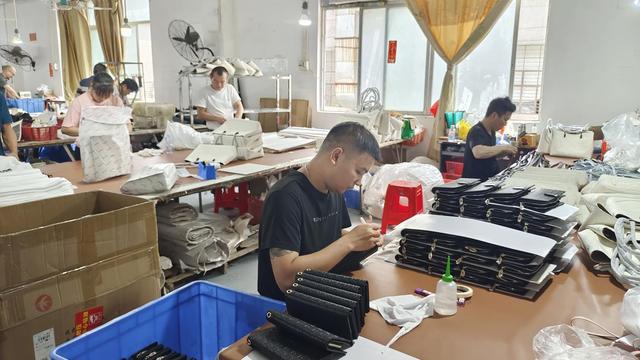
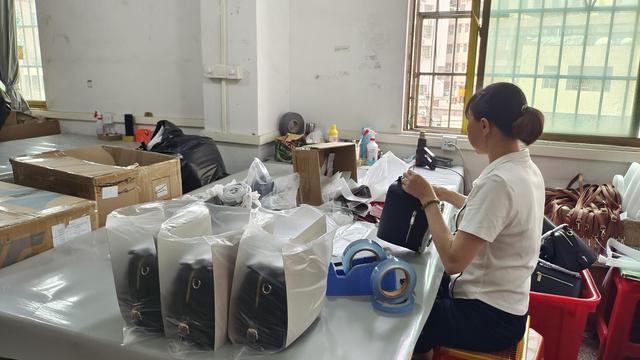
Fren Fashion places strong emphasis on craftsmanship, material selection, and production consistency. Its experienced design and product development teams continuously monitor international fashion trends and consumer preferences to support customers with innovative product concepts and customized solutions. From material sourcing and sample development to mass production and quality inspection, the company maintains a structured manufacturing process designed to ensure product reliability and visual appeal.
Equipped with modern production facilities and comprehensive quality management systems, Fren Fashion is committed to delivering products that meet international quality standards and customer expectations. The company offers flexible manufacturing capabilities that support both emerging fashion brands and established global retailers seeking scalable production solutions.
Serving customers across North America, Europe, Asia, the Middle East, South America, and other international markets, Dongguan Fren Fashion Co., Ltd. is dedicated to building long-term partnerships through dependable manufacturing, efficient project management, and responsive customer support. The company continues to help fashion businesses develop competitive handbag collections and custom accessories solutions for diverse global markets.
| Production Aspect | Traditional Chittagong Setup | Dongguan Tech-Integrated Approach | Systemic Advantage |
|---|---|---|---|
| Material Engineering | Limited to locally-tanned cow hides and basic imported PVC. | High-color-fastness microfiber suede, bio-derived fruit fibers, breathable PU. | Meets REACH, RoHS, and strict European environmental safety standards. |
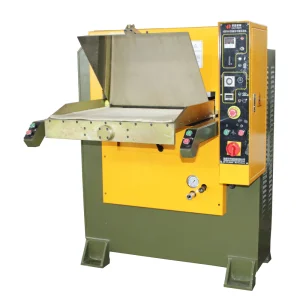
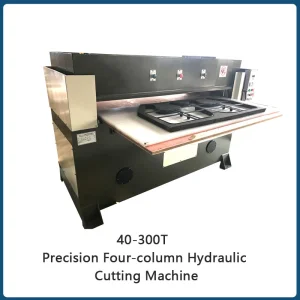
| Machinery & Automation | Manual hand-cutting presses, mechanical sewing with high error rates. | Computerized CNC cutting tables, automatic hardware buckle bending, 50T hydraulic presses. | Reduces waste by 18-25%, and ensures 99.8% measurement consistency. |
| Product Prototyping | Slow physical cycles taking up to 4 weeks. | Rapid 3D CAD mapping and overnight laser cutting. | Reduces time-to-market by 65%, facilitating agile fashion supply. |
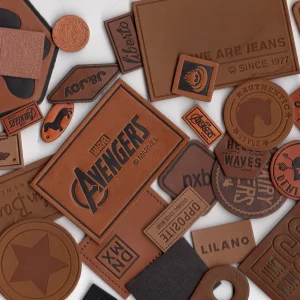
| Accessory Customization | Basic stock buckles and labels. | Custom heat-pressed leather patches, custom-alloy hardware. | Elevates brand premium and security with distinct aesthetic details. |
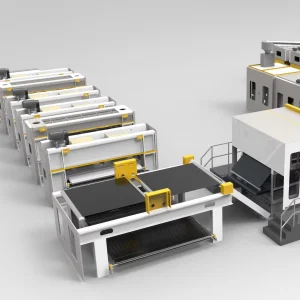
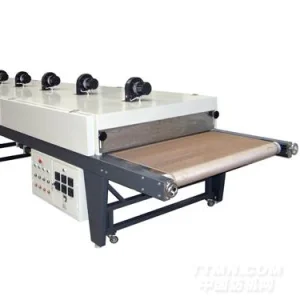
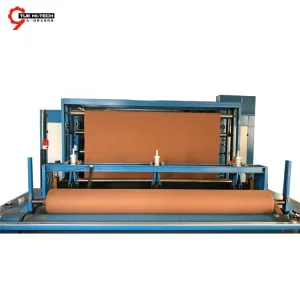
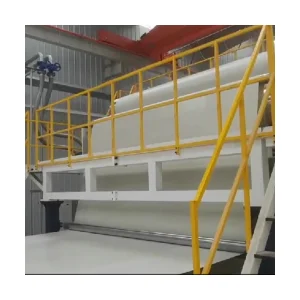
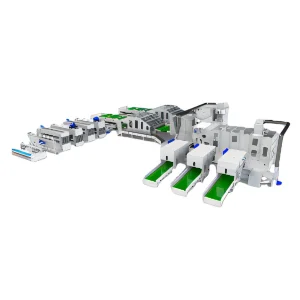
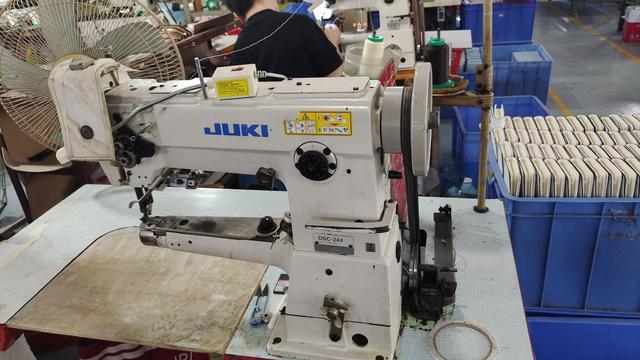
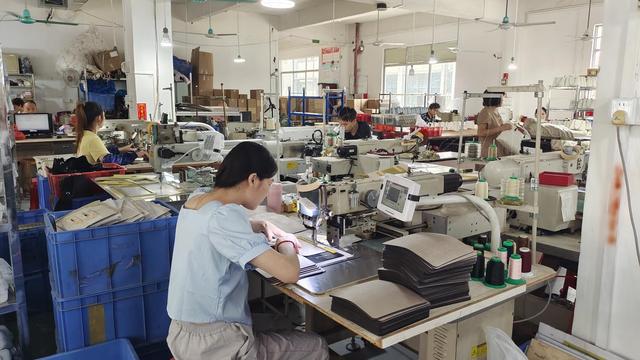
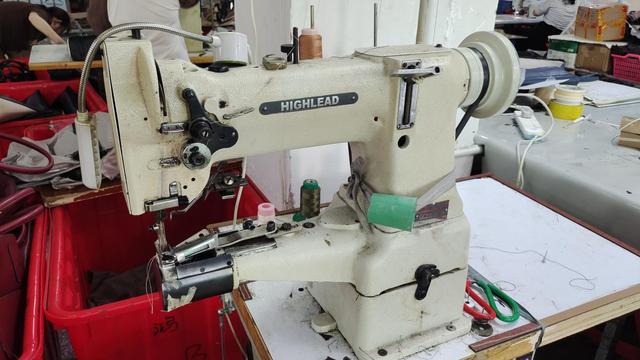
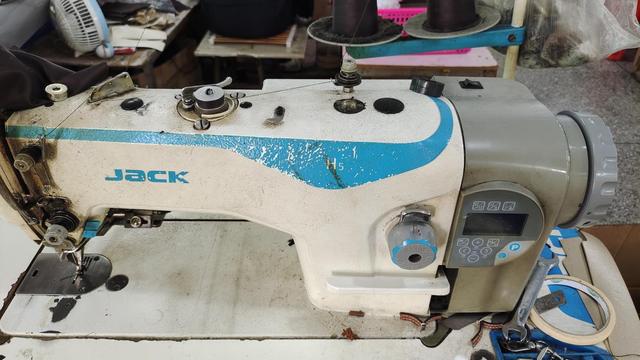
To upgrade production infrastructure, Chittagong manufacturers must deploy specialized, heavy-duty processing machinery. A modern leather goods factory requires dynamic equipment capable of processing multiple layers of dense fabric, handling high-tonnage heat molding, and ensuring exact stitch placement.
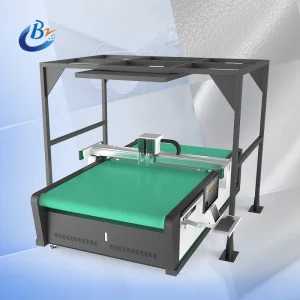
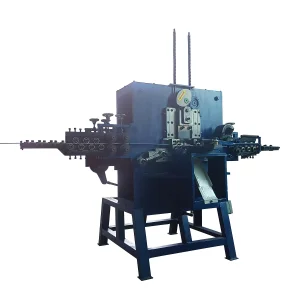
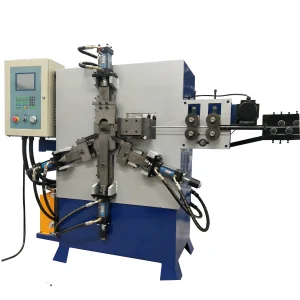
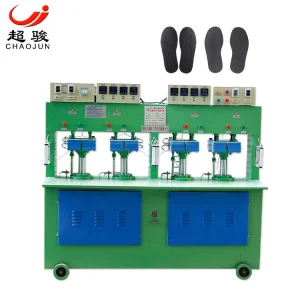
This includes deploying high-precision automatic CNC cutting machines to eliminate hand-cutting variations in shoe panels and pocket patterns. Similarly, multi-station hot forming machines allow for seamless molding of EVA foam and synthetic leather backing, creating structured shells for premium tech backpacks and protective cases. By utilizing computerized hardware buckle forming systems, manufacturers can produce customized metallic trims in-house, reducing dependency on external accessory suppliers.
To successfully integrate with global brands, Chittagong factories must execute a structured upgrade plan across three core pillars:
Deploying solvent-free polyurethane (PU) and bio-based alternative leathers. These materials reduce volatile organic compound (VOC) emissions, aligning with EU REACH initiatives and offering superior tensile properties for luggage manufacturing.
Upgrading to computerized die-cutting, automated heat embossing, and programmable sewing. Implementing these systems cuts material waste by up to 20% and lowers production defects, stabilizing unit costs.
Achieving compliance with internationally recognized certifications like the Leather Working Group (LWG) and BSCI. Building comprehensive chain-of-custody tracking assures buyers that materials are sourced ethically and sustainably.
Modern purchasing managers from brands in Europe and North America no longer focus solely on cost per unit. Supply chain transparency, ethical manufacturing practices, and structural quality control are key factors in procurement decisions. Chittagong exporters must satisfy these criteria to build long-term international partnerships:
Traceability of Raw Materials: Exporters must document the origin of synthetic base cloths and metal hardware accessories to confirm they comply with eco-friendly chemical limits.
Physical Durability & Stress Testing: Products must pass rigorous physical tests, such as ISO flex testing for leather surfaces, salt spray exposure tests for metallic zippers and buckles, and seam strength tests for heavy-load-bearing gear.
Scalable & Flexible Manufacturing: Buyers require production lines that can scale up for seasonal peaks while remaining agile enough to handle smaller, custom test runs without significant price penalties.
Chittagong provides low manufacturing overheads, a large, skilled labor pool, and access to deep-water shipping lanes via Chittagong Port. This combination allows exporters to manufacture and ship high volumes of goods efficiently. Setting up operations within its Export Processing Zones (EPZs) also offers tariff-free imports of raw machinery and materials, boosting regional export capabilities.
As a professional handbag manufacturer, Dongguan Fren Fashion provides critical design, prototyping, and raw material support. We help Chittagong factories bridge the gap between initial fashion concepts and volume manufacturing. By supplying premium synthetic fabrics and finished hardware, we ensure local products meet the high standards demanded by global retail markets.
Computerized CNC cutting machines eliminate the errors and inconsistencies associated with hand-cutting dense materials. They optimize layout nesting, reduce scrap material by 15-20%, and ensure every cut matches the digital design precisely. This level of accuracy is critical when manufacturing multi-paneled footwear or premium fashion bags.
Major markets, particularly in Europe and North America, mandate compliance with REACH, RoHS, and California Proposition 65 chemical regulations. Factories must verify their synthetic materials are free of heavy metals, phthalates, and harsh solvents. Transitioning to water-based PU and plant-based leathers is essential to maintain access to these premium import channels.
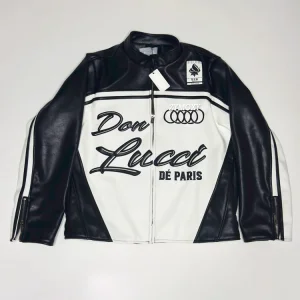
Yes, we provide end-to-end private label development, including custom embossed leather patches, tailored metal hardware, heat-pressed branding, and retail-ready packaging. Our teams collaborate closely with brands to ensure all elements align with their market positioning and aesthetic standards.
Whether you need to secure high-performance synthetic materials, integrate modern automated production machinery, or develop a custom private label collection, our engineering teams are ready to support your goals.
Send Inquiry Now Fren Fashion